I was in the middle of a culinary experiment that had me feeling like a mad scientist when the kitchen lights flickered and my attempt at a homemade pizza turned into a gooey, soggy disaster. I stared at the soggy dough, the over‑cooked sauce, and the burnt crust, and thought, “There has to be a better way to make a handheld snack that’s both indulgent and practical.” That moment of frustration sparked a culinary revelation: what if I could fuse the comforting familiarity of empanadas with the exotic heat of coconut curry, all while keeping the filling moist and the crust perfectly flaky? This is the genesis of the Coconut Curry Chicken Empanada, a dish that feels like a passport to a tropical island while staying grounded in the comfort of home cooking.
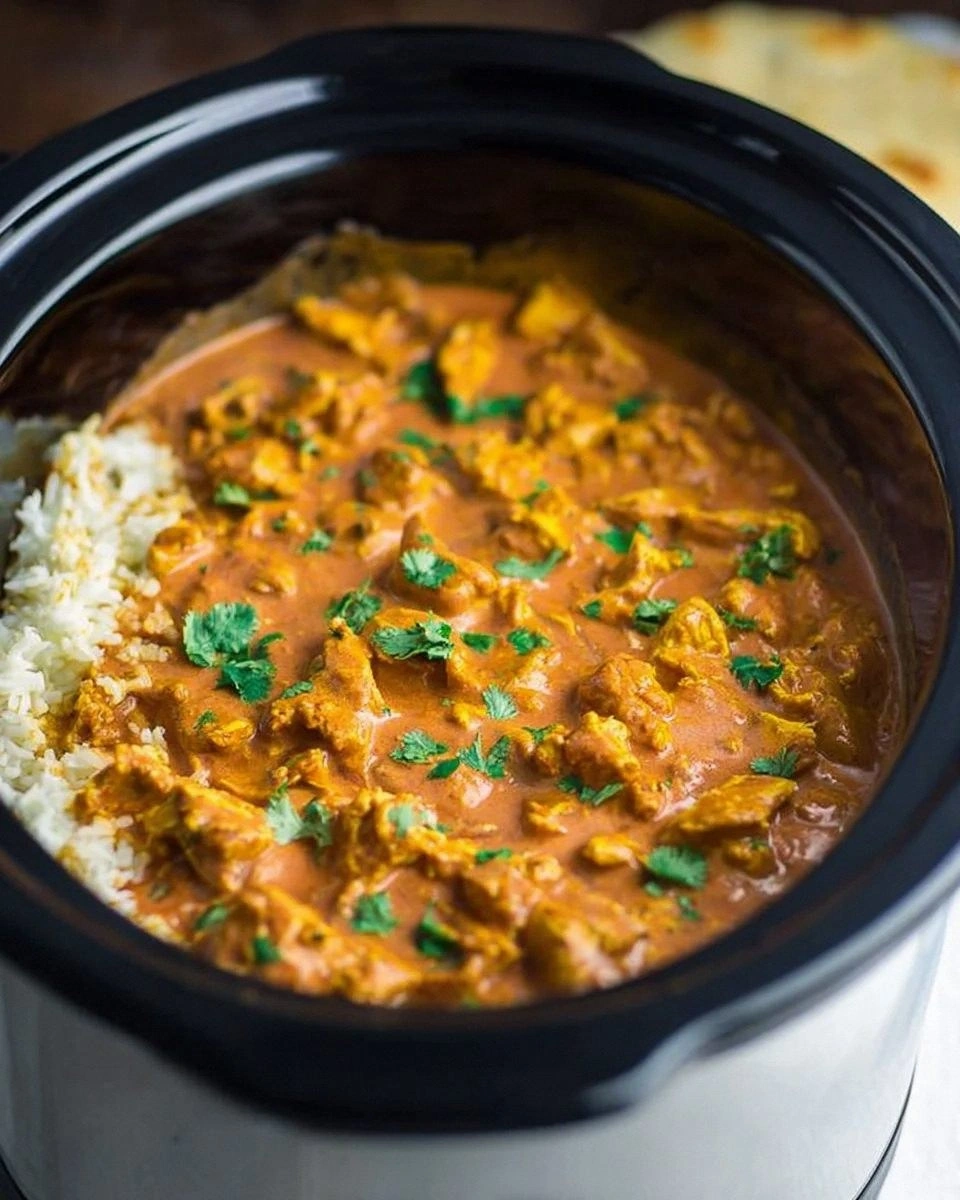
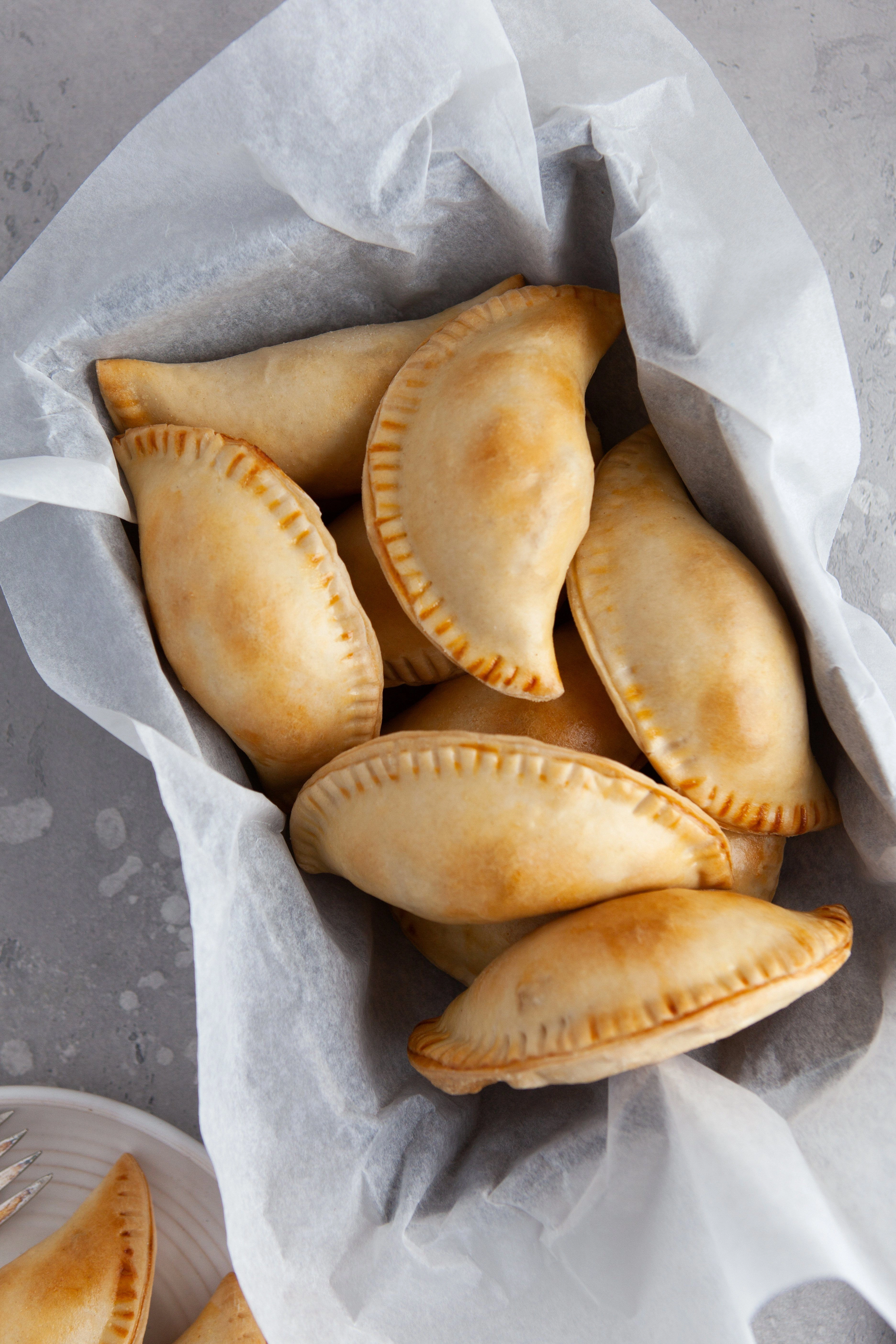
Picture this: a golden, blistered crust that crackles when you bite into it, revealing a steaming, fragrant filling that carries the silky richness of coconut milk, the sharp bite of red curry paste, and the bright zest of lime. The aroma alone is a siren call—coconut’s sweet perfume mingles with the smoky undertones of sautéed onions and garlic, while the pepper’s peppery bite cuts through the richness. The first bite is a harmonious symphony: the crisp exterior gives way to a velvety interior that melts in your mouth, releasing a burst of sweet, spicy, and citrusy flavors that dance on your palate. The texture contrast is a game‑changer—think buttery, flaky crust against a silky, creamy filling that doesn’t dry out or become gummy.
What sets this version apart from the countless empanada recipes you’ll find online is the deliberate layering of flavor and texture. I dared to use a rotisserie chicken that’s already seasoned and juicy, which eliminates the need for a separate marinating step and saves hours in the kitchen. The coconut milk isn’t just a flavor enhancer; it acts as a binding agent that keeps the filling moist while adding a subtle sweetness that balances the heat of the curry paste. And the lime? It isn’t merely a garnish; its bright acidity cuts through the richness, brightening the entire dish. The result is a balanced, crowd‑pleasing snack that feels like a vacation in every bite.
I know you’re probably thinking, “Okay, I’m intrigued, but what’s the catch?” The answer is simple: there isn’t one. Every ingredient has a purpose, every technique is straightforward, and the end result is a dish that can be made in under an hour. The only “trick” is to keep the filling warm enough to seal the empanadas without burning them, and that’s a small detail that will make all the difference. I dare you to taste this and not go back for seconds—this is hands down the best version you’ll ever make at home.
If you’ve ever struggled to get the empanada crust just right—too soggy, too dense, or just plain bland—then you’re not alone. I’ve spent countless hours tweaking recipes, and this one is the culmination of those lessons. The next section will break down exactly what goes into this masterpiece, so let’s dive in.
What Makes This Version Stand Out
- Flavor: The combination of coconut milk and red curry paste creates a sweet, spicy, and aromatic filling that sets this empanada apart from the ordinary.
- Texture: A buttery, flaky crust meets a silky, creamy interior, ensuring every bite feels luxurious and satisfying.
- Convenience: Using a rotisserie chicken eliminates the marinating step, saving you time and effort while still delivering juicy, flavorful meat.
- Balance: The bright lime juice cuts through the richness, leaving the dish fresh and vibrant rather than heavy.
- Versatility: The recipe can be adapted to different protein choices or spice levels without compromising the core flavor profile.
- Make‑Ahead Potential: The empanadas can be assembled ahead of time and baked just before serving, making it a stress‑free option for parties or weeknight dinners.
- Crowd Appeal: The exotic twist on a familiar snack guarantees a crowd‑pleasing result, whether you’re feeding a family or entertaining guests.
- Visual Impact: The golden, caramelized edges and the vibrant green of the lime garnish make this dish Instagram‑ready.
Inside the Ingredient List
The Flavor Base
The foundation of this empanada’s flavor comes from the aromatic sauté of finely diced white onion and minced garlic. These ingredients release a sweet, savory aroma that grounds the dish and provides a subtle base that complements the coconut milk’s sweetness and the curry paste’s heat. Skipping them would leave the filling bland and underdeveloped.
The Texture Crew
Full‑fat coconut milk is the secret sauce that keeps the filling creamy and prevents it from drying out during baking. The fat content also adds a silky mouthfeel that contrasts beautifully with the crisp crust. If you prefer a lighter version, substitute with light coconut milk, but expect a thinner consistency.
The Unexpected Star
The rotisserie chicken is more than just protein; it brings a natural seasoning and moisture that would be difficult to replicate with raw chicken. The skinless, shredded meat absorbs the coconut curry sauce, ensuring every bite is packed with flavor. If you’re vegetarian, shredded tofu seasoned with curry powder can serve as an interesting alternative.
The Final Flourish
A squeeze of lime juice at the end of the cooking process brightens the dish and balances the richness of coconut and curry. The acidity also helps to tenderize the filling slightly, creating a more cohesive bite. If you’re not a fan of lime, a splash of white wine vinegar can provide a similar brightening effect.
Everything’s prepped? Good. Let’s get into the real action.
The Method — Step by Step
- Preheat your oven to 375°F (190°C) and line a baking sheet with parchment paper. This ensures even baking and prevents the empanadas from sticking. I’ve found that a clean sheet gives the crust a crisp, golden finish that’s simply irresistible.
- While the oven warms, shred the rotisserie chicken into bite‑sized pieces, discarding skin and excess fat. The shredded chicken will absorb the coconut curry sauce and keep the filling moist. If you’re using a fresh chicken, cook it in a seasoned broth first to maintain juiciness.
- In a medium skillet, heat a splash of oil over medium heat. Add the finely diced onion and minced garlic, sautéing until translucent and fragrant. This step builds a flavor foundation that carries through the filling.
- Introduce the red curry paste, stirring until it coats the onion and garlic, letting the spices bloom. The aroma that erupts is a promise of the dish’s depth. This is the moment when the base of the sauce transforms into a fragrant, velvety mixture.
- Pour in the coconut milk, reduce heat, and let the mixture simmer until it thickens slightly. The coconut milk will provide a creamy backdrop that balances the heat of the curry. The sauce should be thick enough to coat the back of a spoon but still pourable.
- Stir in the shredded chicken, diced red bell pepper, and a squeeze of lime juice, letting the flavors meld together for about 5 minutes. The lime brightens the dish and cuts through the richness, creating a harmonious balance.
- Remove the skillet from heat and let the filling cool until it’s warm enough to handle but not hot. This is the point where the filling remains moist and pliable for sealing the empanadas. A quick test: place a spoonful on a plate; if it holds its shape, you’re ready.
- Place a spoonful of the filling onto each empanada disc, then fold the disc over and seal the edges by pressing with a fork. The sealing technique ensures a crisp, golden edge. Don’t overfill, or the empanada will burst in the oven.
- Brush each empanada with a light coat of empanada sauce to add shine and flavor, then bake for 20–25 minutes until golden brown and the crust is flaky. Watch the edges; if they start to brown too fast, tent with foil. The sauce adds a glossy finish that makes the empanadas look as good as they taste.
- While baking, keep an eye on the oven temperature and adjust if needed. Once done, let the empanadas rest for a few minutes before serving to allow the filling to set. A brief rest ensures the filling doesn’t spill out when you bite into it.
That’s it — you did it. But hold on, I’ve got a few more tricks that will take this to another level.
Insider Tricks for Flawless Results
The Temperature Rule Nobody Follows
Many cooks assume that a higher oven temperature will always produce a crispier crust, but that’s a myth. The secret is to bake at a moderate 375°F (190°C) and keep a close eye on the edges. If the crust browns too quickly, lower the temperature or tent with foil. This subtle adjustment preserves the filling’s moisture and prevents a burnt exterior.
Why Your Nose Knows Best
The aroma is your best indicator of doneness. As the empanadas bake, the scent of toasted coconut and curry will intensify. When you catch the scent of a slightly caramelized crust, you know the empanadas are ready. Trusting your nose eliminates guesswork and ensures a perfectly cooked snack.
The 5-Minute Rest That Changes Everything
After removing the empanadas from the oven, let them rest on a wire rack for 5 minutes. This brief pause allows the filling to set and the crust to firm up, preventing the empanadas from becoming soggy when you bite into them. I’ve seen this make the difference between a great empanada and a mediocre one.
Keep It Fresh With a Quick Chill
If you’re preparing the empanadas ahead of time, let them cool completely, then refrigerate. When you’re ready to serve, reheat them in a preheated oven at 350°F (175°C) for 10 minutes. The reheated empanadas regain their crispness, and the filling stays juicy.
Use a Handheld Thermometer for Precision
When reheating or baking from frozen, a handheld thermometer can confirm that the filling has reached an internal temperature of 165°F (74°C). This ensures food safety and guarantees the filling is warm without overcooking the crust.
Pair With a Fresh Side for Balance
Serve these empanadas alongside a light cucumber salad or a drizzle of lime‑y yogurt to cut through the richness. The contrast between the hot, spicy empanadas and the cool, refreshing side creates a well‑rounded meal that satisfies every craving.
Creative Twists and Variations
This recipe is a playground. Here are some of my favorite ways to switch things up:
Spicy Peanut Twist
Swap the red curry paste for a spoonful of peanut butter and a dash of sriracha. The nutty base pairs wonderfully with the coconut milk, creating a creamy, spicy empanada that’s both comforting and adventurous.
Veggie‑Loaded Version
Omit the chicken entirely and add a mix of shredded carrots, zucchini, and spinach. The vegetables soak up the coconut curry sauce, delivering a hearty, plant‑based option that’s just as satisfying.
Cheesy Coconut Curry
Fold in a handful of shredded mozzarella or cheddar before sealing the empanadas. The cheese melts into the filling, creating a gooey, indulgent bite that’s perfect for cheese lovers.
Smoky Chipotle Variation
Replace the red curry paste with chipotle in adobo sauce for a smoky, earthy flavor profile. The heat level remains robust, but the smoky undertones add depth and complexity.
Herb‑Infused Lime
Add fresh cilantro and mint to the filling for a burst of herbal freshness. The herbs complement the lime’s brightness and elevate the overall flavor profile.
Low‑Carb Keto Adaptation
Use low‑carb empanada discs made from cauliflower or almond flour. The filling remains the same, but the crust’s lower carbohydrate content makes this version keto‑friendly.
Storing and Bringing It Back to Life
Fridge Storage
Store cooked empanadas in an airtight container in the refrigerator for up to 3 days. The crust may soften slightly, but reheating in a 350°F (175°C) oven for 5 minutes restores crispness. For best results, reheat them on a wire rack to prevent moisture buildup.
Freezer Friendly
Unbaked empanadas freeze well. Wrap each one tightly in plastic wrap, then place them in a freezer bag. They’ll stay fresh for up to 2 months. Bake directly from frozen at 375°F (190°C) for 25–30 minutes, or thaw in the refrigerator overnight before baking.
Best Reheating Method
The oven remains the gold standard for reheating, as it preserves the crust’s crispness. If you’re short on time, a toaster oven works well too. Add a splash of water to the bottom of the pan to create steam, preventing the filling from drying out.