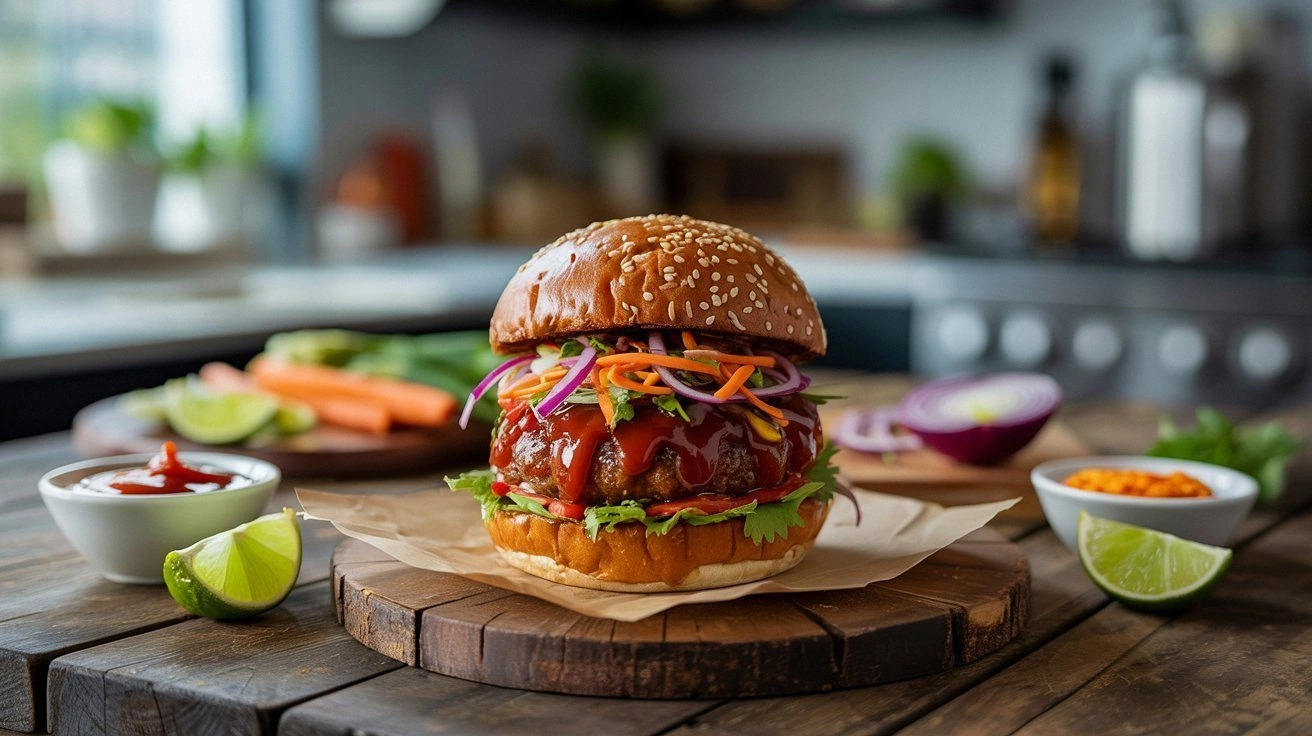
It started with a midnight craving that turned into a kitchen catastrophe. I was rummaging through the pantry, half‑heartedly flipping the last bag of frozen wings, when I accidentally knocked over a bottle of soy sauce. The splash painted the countertop in a glossy, amber sheen that looked suspiciously like the glaze of a street‑food stall. I stared at the mess, a flash of inspiration igniting in that moment—if the sauce could survive a spill, it could survive a whole wing. The idea of turning that sticky spill into a signature dish was a dare I could not resist.
I pulled out a handful of chicken wings, tossed them in a quick cornstarch coating, and sprayed them with oil for a crisp finish. As the wings hit the hot pan, a sizzling chorus erupted, each pop a tiny drumbeat of anticipation. The aroma that filled the kitchen was a heady mix of caramelized sugar from honey and the sharp bite of garlic, promising a flavor that would dance on the tongue. I tasted a wing, and the heat from the sriracha kissed the sweet honey like a summer breeze on a hot sidewalk. The moment felt electric—this was no ordinary wing recipe; it was a revelation in a skillet.
What sets this version apart is the deliberate layering of textures and flavors, each element chosen to elevate the next. The wings are first coated in a light, airy cornstarch batter that crisps to a golden crunch without becoming greasy. Then they are tossed in a sauce that balances sweetness, umami, and heat, creating a glossy coat that clings to every bite. The use of fresh ginger and tomato paste deepens the savory undertone, while the rice vinegar adds a subtle brightness that cuts through the richness. It’s a dish that satisfies the craving for something indulgent yet refreshing, and it’s built to make a statement at any gathering.
Picture yourself pulling a tray of these wings out of the oven, the whole kitchen smelling like a bustling market in Asia. The sizzle on the skillet, the crackle as the wings hit the pan, the sweet aroma of honey caramelizing—each sensory cue is a promise of what’s to come. I dare you to taste this and not go back for seconds; the combination of sweet, spicy, and savory will have you reaching for more. The next section will break down exactly what goes into this masterpiece, and trust me, the details are worth the anticipation.
What Makes This Version Stand Out
- Texture: The cornstarch coating creates a delicate, airy crunch that contrasts beautifully with the tender, juicy interior of the wings. Skipping the coating will result in a greasy, soggy bite that fails to deliver the satisfying snap.
- Flavor Balance: The sauce is a meticulously balanced trio of sweet honey, salty soy, and fiery sriracha, with tomato paste adding depth. Without this harmony, the dish would lean too heavily toward one flavor profile.
- Heat Level: The 2 tablespoons of sriracha give a steady, steady heat that warms the palate without overwhelming it. Adjusting the amount lets you tailor the spice to your crowd.
- Freshness: Fresh garlic and ginger infuse the sauce with bright, aromatic notes that elevate the dish beyond canned or pre‑made sauces.
- Ease: The method requires no fancy equipment—just a skillet and a spray bottle—and can be completed in under an hour, making it perfect for busy evenings.
- Make‑ahead Potential: The wings can be pre‑baked and reheated without losing crispness, allowing you to serve a crowd without last‑minute prep.
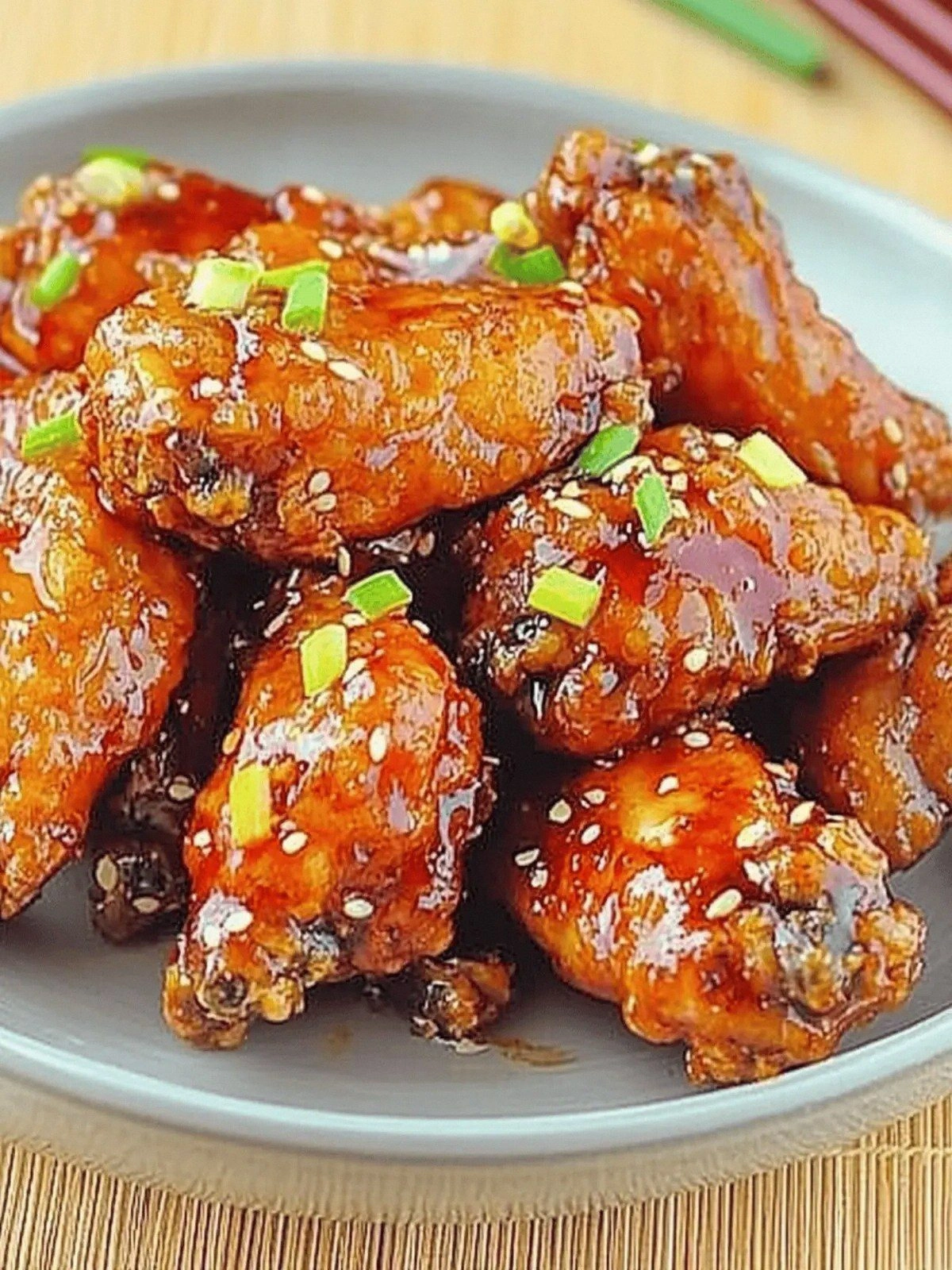
- Presentation: The glossy, caramelized glaze gives the wings a restaurant‑grade shine that looks as good as it tastes.
- Versatility: The sauce can double as a dip, a glaze for grilled meats, or a flavorful coating for tofu, expanding its utility beyond wings.
Alright, let's break down exactly what goes into this masterpiece...
Inside the Ingredient List
The Flavor Base
Honey is the sweet heart of this sauce, providing a natural caramelization that deepens as the wings bake. It also balances the sharpness of the sriracha and the acidity of the vinegar. If you replace honey with maple syrup, the flavor profile shifts subtly toward a more earthy sweetness, which some people prefer. For a vegan version, agave nectar works, but be prepared for a slightly thinner glaze.
The Texture Crew
Cornstarch is the unsung hero that turns a simple batter into a light, crisp shell. It absorbs moisture during cooking, preventing sogginess and allowing the wings to develop that coveted crunch. If you’re gluten‑free, cornstarch is naturally safe, but make sure it’s labeled gluten‑free if you’re sensitive to cross‑contamination.
The Unexpected Star
Tomato paste might seem out of place, but it adds a savory depth that mimics the umami of a stock. Its concentrated flavor means you only need a small amount, which keeps the sauce from becoming too thick. A quick swap is to use a splash of tomato sauce for a slightly lighter texture.
The Final Flourish
Rice vinegar’s bright acidity cuts through the richness of honey and soy, giving the sauce a clean finish. If you can’t find rice vinegar, apple cider vinegar works, though it will introduce a subtle fruitiness. Always taste after adding vinegar; a little more can brighten the entire dish.
Everything’s prepped? Good. Let’s get into the real action...
The Method — Step by Step
- Begin by separating the wings into flats and drumettes, removing any excess fat. Pat them dry with paper towels; moisture is the enemy of crispness. Toss the wings in a bowl with the cornstarch, ensuring each piece is evenly coated. Let them sit for 10 minutes so the coating adheres.
- Preheat a large skillet over medium‑high heat and add enough oil to coat the bottom. Use a spray bottle or a silicone mister to evenly distribute the oil; this helps create a uniform crisp. Once the oil shimmers, slide in the wings in a single layer, making sure not to overcrowd the pan. You’ll hear a satisfying sizzle that signals the coating is starting to brown.
- Cook the wings for 4–5 minutes on each side, flipping them gently with tongs. The edges should start pulling away from the pan, indicating a golden crust. When the wings are nearly done, reduce the heat to medium and cover the skillet to finish cooking through. The internal temperature should reach 165°F.
- While the wings finish, prepare the sauce. In a small saucepan, combine honey, soy sauce, rice vinegar, and sriracha. Warm the mixture over low heat, stirring constantly until the honey dissolves and the sauce thickens slightly.
- Add the minced garlic, grated ginger, and tomato paste to the saucepan. The garlic will soften, releasing its aromatic oils, while the ginger adds a bright zing. Stir until the tomato paste fully incorporates, creating a smooth, glossy sauce.
- Return the wings to the skillet and pour the sauce over them, ensuring every wing is coated. Toss gently to coat evenly, allowing the sauce to caramelize against the hot pan for 2–3 minutes. The sauce should thicken and cling to the wings like a glossy glaze.
- Once the wings are fully coated and the sauce has thickened, remove the skillet from heat. Let the wings rest for a minute to set the glaze before serving. This final pause keeps the coating from sliding off when you plate.
- Serve immediately with a side of steamed rice or a fresh cucumber salad to balance the heat. Garnish with sliced scallions or toasted sesame seeds if desired, adding a subtle crunch and visual appeal.
That’s it—you did it. But hold on, I’ve got a few more tricks that will elevate this dish from good to unforgettable...
Insider Tricks for Flawless Results
The Temperature Rule Nobody Follows
Many cooks skip the step of preheating the skillet to the right temperature, which can lead to uneven browning. By letting the oil reach a shimmering glow before adding the wings, you ensure a crisp, golden exterior. If you’re using a cast‑iron skillet, preheat it for a full minute to lock in heat.
Why Your Nose Knows Best
When you first start cooking, the aroma will change as the sauce caramelizes. Trust that scent shift as a cue to reduce heat or add more sauce. A sweet, nutty fragrance means the sugars are browning; if the smell turns sharp or bitter, you’re overcooking.
The 5‑Minute Rest That Changes Everything
Letting the wings rest for 5 minutes after cooking allows the glaze to set and the juices to redistribute. This small pause prevents the glaze from sliding off when you plate, ensuring each bite stays moist and flavorful. It also gives the sauce a chance to thicken to the perfect consistency.
Use a Silicone Spatula for Even Coating
When tossing the wings in sauce, a silicone spatula spreads the glaze evenly without tearing the coating. This technique keeps the crispy shell intact and ensures every wing is coated with the same depth of flavor.
Keep the Sauce on Hand for Dipping
Set aside a small portion of the sauce in a ramekin. Guests can dip their wings, creating a customizable flavor experience. A dipping sauce also helps control the heat level for those who prefer a milder bite.
Creative Twists and Variations
This recipe is a playground. Here are some of my favorite ways to switch things up:
Sweet Chili Glaze
Swap the sriracha for a sweet chili sauce to soften the heat while adding a fruity undertone. This variation is perfect for a family dinner where kids are curious about spicy flavors.
Asian‑Inspired Garnish
Top the wings with toasted sesame seeds and thinly sliced green onions for a pop of color and crunch. The sesame adds a nutty aroma that pairs beautifully with the honey glaze.
BBQ Twist
Replace half the soy sauce with smoked paprika and add a dash of liquid smoke. The wings will acquire a deep, smoky flavor reminiscent of a backyard grill.
Vegan Version
Use plant‑based chicken substitutes and a vegan honey alternative. The sauce remains identical, ensuring the same sweet‑spicy profile.
Spicy Garlic Parmesan
After coating the wings with sauce, sprinkle grated Parmesan cheese and a pinch of crushed red pepper flakes. The cheese melts into a savory crust, adding a creamy texture.
Low‑Carb Option
Replace the cornstarch with almond flour and use a sugar‑free honey substitute. This keeps the wings crispy while reducing the carbohydrate load.
Storing and Bringing It Back to Life
Fridge Storage
Cool the wings to room temperature before placing them in an airtight container. Store in the refrigerator for up to 3 days. The glaze will firm slightly; a quick reheating will restore its shine.
Freezer Friendly
Freeze the wings in a single layer on a parchment paper sheet before transferring to a freezer bag. They’ll keep for up to 2 months. Reheat in the oven at 350°F for 10 minutes to revive crispness.
Best Reheating Method
To reheat, place the wings on a baking sheet and bake at 400°F for 5–7 minutes. Add a splash of water before reheating to create steam, which keeps the wings from drying out.