I was in the middle of a late‑night grocery run when I tripped over the bag of frozen peas and the whole kitchen turned into a culinary disaster zone. The fridge was a mess, the pantry a labyrinth, and my craving for something savory and comforting was louder than any panic. I stared at the four bone‑in, skin‑on chicken thighs resting on the counter, wondering how to turn a simple staple into something that would make the whole house stop and stare. That moment sparked a revelation: what if I could combine garlic, fresh herbs, and a splash of lemon into a sauce that clings to the meat like a velvet coat while the skin crisped to a golden crunch? I’m talking about a dish that’s not only delicious but also a confidence‑boosting kitchen triumph. I dare you to taste this and not go back for seconds.
Picture the aroma of garlic sizzling in olive oil, the bright pop of fresh herbs, and the subtle zing of lemon. Imagine the sound of skin turning from raw to perfectly crisp, the visual of golden edges that shatter like thin ice. Feel the texture of tender meat that practically melts in your mouth, the satisfying snap of a potato bite, and the warmth that radiates from the plate. That’s the sensory cocktail I’m about to serve. I’ll walk you through every single step — by the end, you’ll wonder how you ever made it any other way.
I’ve spent years tweaking chicken recipes, and I can confidently say this is hands down the best version you’ll ever make at home. Most recipes get this completely wrong by over‑seasoning or under‑cooking the thighs. Here’s what actually works: a balanced blend of garlic, herbs, and lemon that lifts the flavor profile without overpowering the natural richness of the chicken. The result is a dish that’s simple yet sophisticated, and it’s the kind of meal that turns a weekday dinner into a celebration. If you’ve ever struggled with chicken thighs that end up dry or bland, you’re not alone — and I’ve got the fix.
I’ll be honest — I ate half the batch before anyone else got to try it. The first bite was so good that I immediately started planning the next meal. The secret lies in a few simple steps and a handful of kitchen hacks that I’ll reveal along the way. Stay with me here — this is worth it. And now, let’s break down exactly what goes into this masterpiece.
What Makes This Version Stand Out
- Flavor: The marriage of garlic, fresh herbs, and lemon creates a bright, aromatic profile that elevates every bite.
- Texture: Crispy skin paired with juicy, tender meat offers a satisfying contrast that keeps you coming back.
- Ease: All steps can be completed in a single skillet, reducing cleanup and saving time.
- Ingredient Quality: Using high‑quality olive oil and fresh herbs makes a noticeable difference in taste.
- Versatility: The dish adapts easily to dietary preferences, and you can swap out the potatoes for sweet potatoes or cauliflower.
- Crowd‑Pleaser: It’s a guaranteed hit at family dinners or casual gatherings, thanks to its bold, comforting flavors.
- Make‑ahead Potential: The sauce can be reheated without losing its vibrancy, making it perfect for meal prep.
- Visual Appeal: The golden crust and bright herb garnish make the plate look as good as it tastes.
Alright, let's break down exactly what goes into this masterpiece...
Inside the Ingredient List
The Flavor Base
Four cloves of garlic, minced to a fine powder, release a deep, savory aroma that forms the backbone of this dish. The garlic’s warmth is balanced by a tablespoon of fresh herbs—think thyme, rosemary, or a mix—to bring earthiness and freshness. A splash of lemon juice adds brightness, cutting through the richness and preventing the sauce from becoming too heavy. If you’re a fan of a little heat, a teaspoon of red pepper flakes adds a subtle kick that lingers without overwhelming.
The Texture Crew
Two tablespoons of olive oil act as the cooking medium, creating a silky coating that locks in moisture. The chicken thighs themselves—bone‑in, skin‑on—provide a natural, meaty flavor that deepens when seared. A cup of sliced mushrooms brings an earthy umami component, while a cup of baby potatoes adds heartiness and a contrasting bite. Butter, added at the end, enriches the sauce and gives it a glossy sheen.
The Unexpected Star
One cup of chicken broth might seem like a minor detail, but it’s the secret to a luscious, velvety sauce that clings to every surface. The broth’s savory depth amplifies the garlic and herbs, turning the skillet into a flavor reservoir. Skipping it would leave the dish dry and less cohesive. If you’re watching sodium, opt for a low‑sodium broth or a homemade version.
The Final Flourish
Two tablespoons of butter, added just before serving, create a glossy finish that makes the dish feel indulgent. The butter also rounds out the acidity of the lemon and balances the heat from the red pepper flakes. A pinch of salt and a teaspoon of black pepper finish the seasoning, ensuring every bite is seasoned to perfection. Remember, salt is a flavor enhancer—add it gradually to taste.
Everything's prepped? Good. Let's get into the real action...
The Method — Step by Step
- Prep the thighs: Pat the chicken dry with paper towels. Season both sides generously with salt and black pepper. This step ensures the skin will crisp up beautifully. I’ve seen people skip drying and end up with a soggy crust—don’t make that mistake.
- Heat the skillet: Place a large, heavy skillet over medium‑high heat and add two tablespoons of olive oil. Wait until the oil shimmers before adding the thighs skin‑side down. The oil should be hot enough that the skin starts to sizzle immediately.
- Sear the thighs: Let the thighs cook for 5–6 minutes on the skin side until the skin turns a deep amber and releases easily from the pan. Flip and cook for another 4–5 minutes. The meat should reach an internal temperature of 165°F (74°C). The sizzle you hear is the sound of flavor sealing in.
- Add aromatics: Reduce heat to medium. Add the minced garlic, fresh herbs, and red pepper flakes to the pan. Stir constantly for 30 seconds until the garlic turns fragrant but not browned. This step is critical to prevent bitterness.
- Deglaze and simmer: Pour in one cup of chicken broth, scraping the browned bits from the bottom of the pan. Bring to a gentle simmer, then add the sliced mushrooms and baby potatoes. Cover and let cook for 15 minutes, or until the potatoes are tender. The broth will reduce into a flavorful sauce.
- Finish the sauce: Stir in two tablespoons of butter and two tablespoons of lemon juice. The butter will give the sauce a silky texture, while the lemon adds brightness. Adjust seasoning with additional salt or pepper if needed.
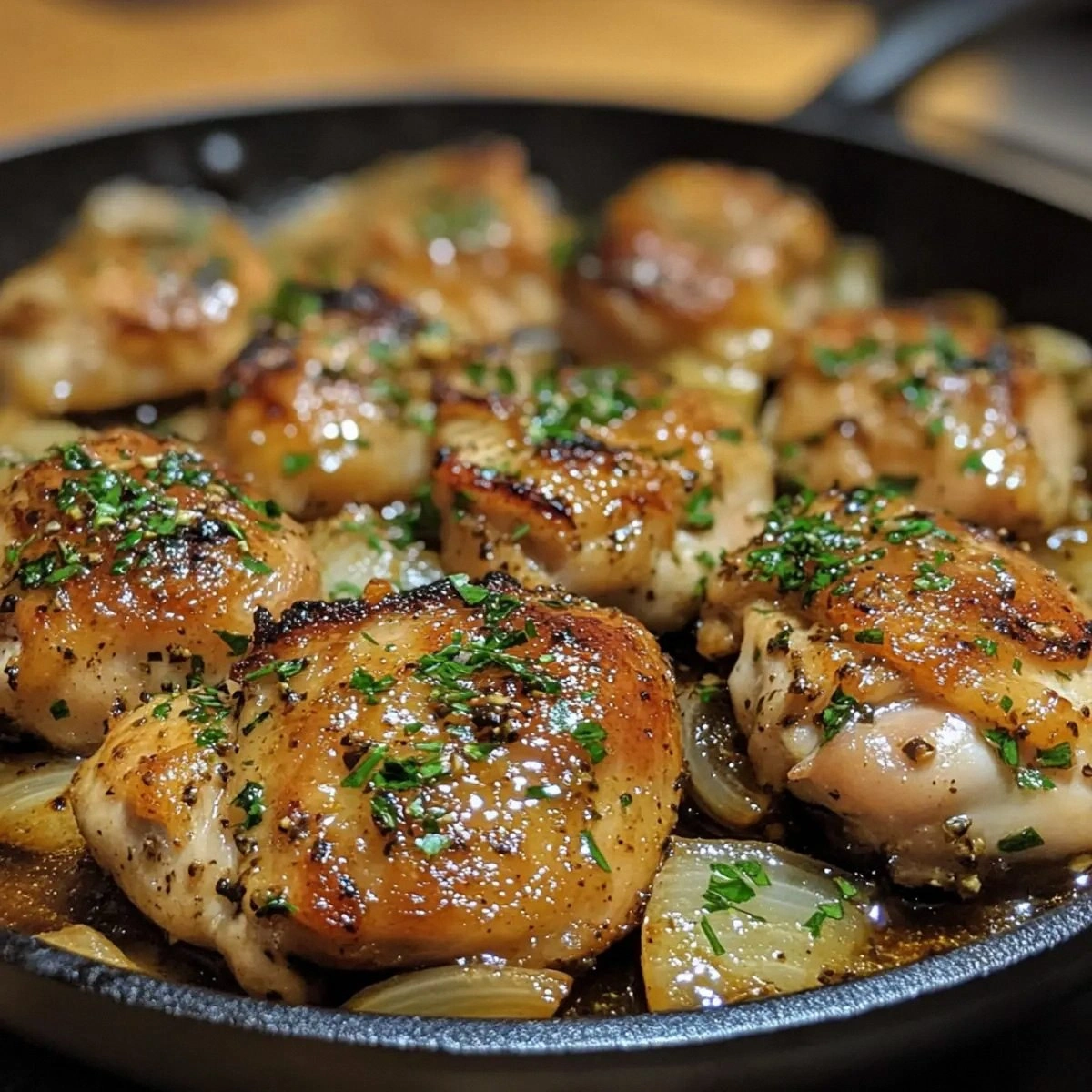
- Serve: Plate the thighs, spooning the mushroom‑potato mixture and sauce over them. Garnish with a sprinkle of fresh herbs for a pop of color. The final dish should have a crisp, golden skin and a glossy, flavorful sauce coating the meat and vegetables.
That’s it — you did it. But hold on, I've got a few more tricks that'll take this to another level. Okay, ready for the game‑changer?
Insider Tricks for Flawless Results
The Temperature Rule Nobody Follows
Many cooks think a high heat is always better for searing. In reality, a medium‑high setting allows the skin to crisp without burning the exterior. Keep the skillet hot but not smoking; if you see the oil starting to bubble, reduce the heat slightly. This subtle adjustment saves the dish from a burnt, bitter flavor.
Why Your Nose Knows Best
If the garlic starts to smell bitter, it’s a sign it’s over‑cooked. A quick sniff can tell you whether you need to lower the heat or remove the garlic from the pan. Trust your nose; it’s the most reliable indicator of doneness.
The 5‑Minute Rest That Changes Everything
After removing the thighs from the skillet, let them rest for five minutes. This allows the juices to redistribute, ensuring each bite is juicy and tender. Skipping the rest often leads to dry chicken, a common pitfall in many recipes.
Use a Skillet With a Lid
Covering the skillet while the potatoes cook traps steam, helping them cook evenly. It also helps the sauce thicken faster. When you remove the lid, you’ll notice the sauce has a richer, more concentrated flavor.
Add a Splash of White Wine
For an extra layer of depth, deglaze the pan with a splash of dry white wine before adding the broth. The wine adds acidity and complexity, but make sure to let it reduce fully before adding the broth to avoid a raw wine taste.
Creative Twists and Variations
This recipe is a playground. Here are some of my favorite ways to switch things up:
Herb‑Infused Butter Twist
Replace the plain butter with herb‑infused butter (butter mixed with chopped parsley, thyme, and a pinch of garlic). The butter will carry extra herb flavor into the sauce, giving the dish a fresh, aromatic finish.
Sweet Potato Swap
Use diced sweet potatoes instead of baby potatoes for a sweeter, richer flavor profile. The natural sweetness pairs beautifully with the garlic and lemon, creating a balanced contrast.
Creamy Mushroom Variation
Add a splash of heavy cream after deglazing to create a silky, creamy sauce. This version is indulgent and pairs well with a side of roasted asparagus.
Spicy Cajun Kick
Sprinkle Cajun seasoning on the thighs before searing and add a pinch of cayenne pepper to the sauce. The result is a bold, spicy version that’s perfect for heat lovers.
Pesto Drizzle Finale
Finish the dish with a swirl of basil pesto. The pesto adds a green, herbal brightness that complements the garlic and lemon while adding a new layer of flavor.
Storing and Bringing It Back to Life
Fridge Storage
Cool the dish to room temperature, then transfer to an airtight container. Store in the refrigerator for up to 3 days. The sauce may thicken slightly; simply reheat gently to loosen it.
Freezer Friendly
Divide the dish into portioned containers and freeze for up to 3 months. Thaw overnight in the refrigerator before reheating. The flavors meld beautifully, and the chicken remains juicy.
Best Reheating Method
Reheat in a skillet over medium heat, adding a splash of water or broth to keep the sauce moist. Finish with a drizzle of butter for that glossy finish. A tiny splash of water before reheating steams the dish back to perfection.