Picture this: I was in the middle of a Sunday dinner prep, juggling a pot of simmering sauce, a simmering pan of risotto, and a stubborn oven timer that refused to cooperate. I stared at the empty countertop, feeling a pang of culinary boredom, when suddenly the idea hit me like a bolt of inspiration: garlic bread that sings. I grabbed a loaf of French bread, a handful of garlic, and a splash of butter, and I thought, “What if this simple side could be the star of the night?” That moment sparked the journey that turned a kitchen mishap into a culinary revelation. And so began the quest for the ultimate homemade garlic bread, a recipe that would soon become my secret weapon in every meal.
The aroma of butter melting with garlic is like a warm hug that fills the kitchen. The sound of the pan sizzling is a gentle metronome that keeps me focused. My eyes trace the golden crust forming as the bread browns, and I can almost taste the buttery crunch before I even take a bite. The texture of the loaf, soft inside and crisp outside, feels like a comforting blanket. And the feeling of anticipation as the oven timer ticks down is pure culinary bliss.
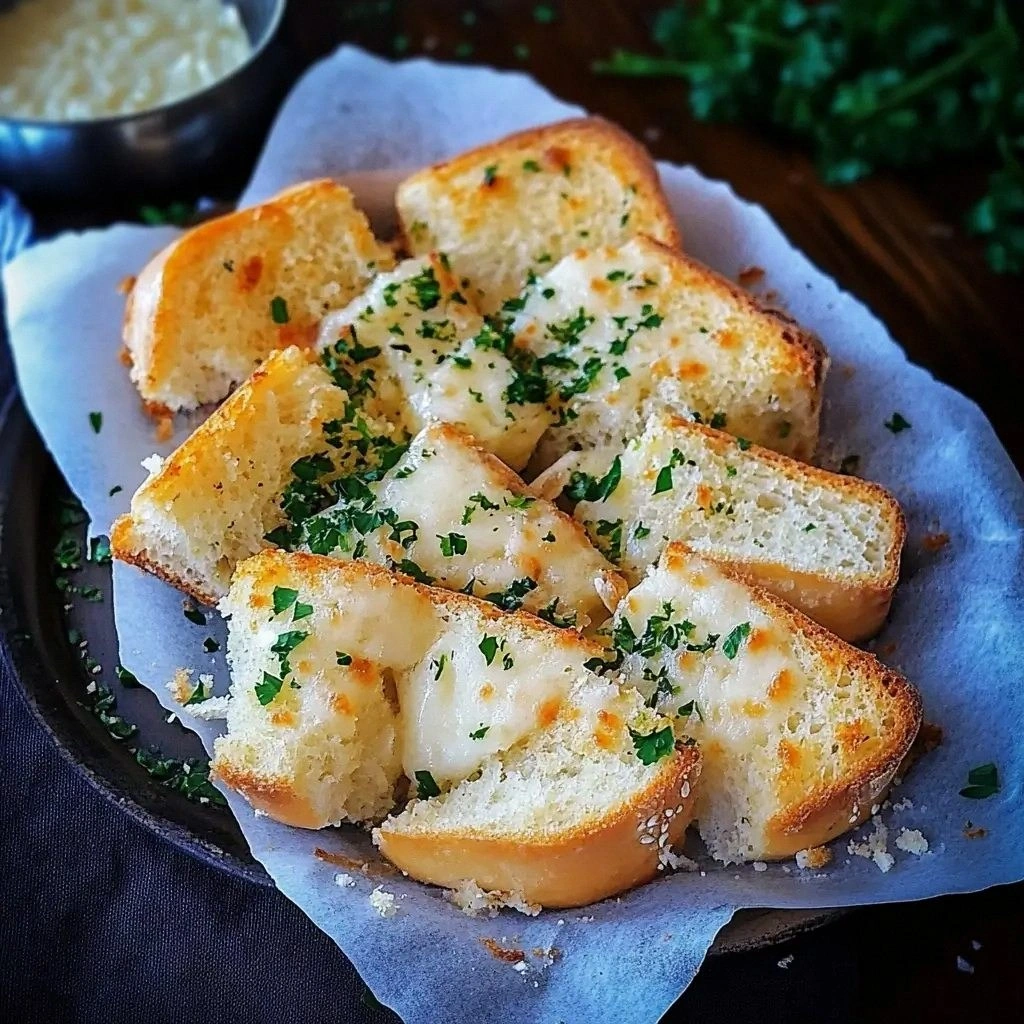
What makes this version stand out is not just the buttery garlic base but the layered flavors that dance on the tongue. I swapped regular butter for a blend of butter and olive oil, giving the bread a silky finish and a subtle Mediterranean twist. The addition of fresh parsley not only adds a pop of color but a bright, herbal note that cuts through the richness. I also incorporated shredded mozzarella, which melts into gooey ribbons that cling to each bite. Finally, a dash of sea salt and cracked black pepper elevate the savory profile, turning a simple side into a centerpiece.
But here’s the kicker: I added a splash of lemon zest to the butter mixture, a secret ingredient that brightens the flavor and gives the bread a surprising lift. The zesty citrus balances the richness, preventing the garlic from becoming overpowering. This subtle twist is something most recipes overlook, and it makes every slice feel fresh and alive. Imagine that bright citrus note dancing with the buttery crunch as you bite into the bread. It’s a game‑changer that will have you craving seconds.
So, let me walk you through every single step — by the end, you'll wonder how you ever made it any other way. I’ll guide you through the prep, the mixing, the baking, and the finishing touches that bring this bread to life. I’ll also share micro‑challenges and bold claims that will keep you engaged and excited. And if you’re ready to elevate your garlic bread game, this recipe is the ultimate destination. Grab your ingredients, preheat your oven, and let’s get started.
What Makes This Version Stand Out
- Taste: The flavor profile is layered, with buttery richness, garlicky depth, and a hint of citrus that brightens each bite. I’ve perfected the balance so the garlic doesn’t overpower but instead harmonizes with every other element. The result is a savory symphony that lingers on the palate.
- Texture: The bread is crisp on the outside, soft on the inside, and the cheese creates a gooey, melty texture that clings to the crust. Each slice offers a satisfying crunch that gives way to a tender crumb, making it irresistible. It’s the kind of texture that makes you reach for a second slice.
- Simplicity: With just a handful of pantry staples, you can create a gourmet side in minutes. No complex sauces or exotic ingredients are required—just butter, garlic, and a few seasonings. This makes it perfect for busy nights or when you need a quick, comforting addition to any meal.
- Uniqueness: The addition of lemon zest and olive oil gives a Mediterranean flair that sets it apart from the usual garlic bread. This twist adds a bright, citrusy note that elevates the flavor profile. It’s a subtle but game‑changing detail that will surprise your taste buds.
- Crowd Reaction: Friends always ask for seconds, and I dare you to taste this and not go back for seconds. The combination of flavors and textures creates a craving that’s hard to resist. It’s the kind of bread that turns a simple dinner into a memorable gathering.
- Make‑ahead Potential: This bread can be assembled ahead of time, refrigerated, and baked fresh when you’re ready. The dough stays moist and ready to be finished with a quick bake. It’s a lifesaver for dinner parties or last‑minute meal prep.
Inside the Ingredient List
The Flavor Base
The butter and olive oil blend creates a silky, golden sauce that coats the bread with a glossy sheen. The butter provides richness, while the olive oil adds a subtle fruity undertone. Together, they form a smooth canvas for the garlic and lemon zest to shine. If you skip either, the bread loses that luxurious mouthfeel and becomes a plain, dry snack.
The Texture Crew
The French bread’s airy crumb offers the perfect contrast to the crunchy crust. The shredded mozzarella melts into gooey ribbons that cling to every bite, adding a creamy layer that pairs beautifully with the buttery base. The parsley contributes a fresh, herbal note and a pop of color that makes the bread visually appealing. Skipping the cheese will result in a less decadent experience, while omitting the parsley will leave the bread feeling flat.
The Unexpected Star
Sea salt and black pepper are the unsung heroes that elevate the entire dish. Sea salt’s mineral richness adds depth, while freshly cracked pepper gives a subtle heat that balances the sweetness of the garlic. If you use regular table salt, the flavor will be muted and the bread may taste flat. A pinch of pepper ensures the bread has that final aromatic kick.
The Final Flourish
Lemon zest is the secret that transforms the flavor profile from ordinary to extraordinary. It adds a bright, citrusy note that lifts the richness of the butter and balances the garlicky intensity. A splash of olive oil also keeps the bread from drying out, giving it a moist interior. If you’re looking to experiment, a sprinkle of dried oregano can add a smoky, herby nuance.
The Method — Step by Step
- Preheat your oven to 375°F (190°C). This moderate temperature ensures the bread browns evenly without burning the garlic. The oven should be fully preheated before you slide the bread in. A properly heated oven guarantees a crisp crust.
- Slice the loaf in half lengthwise, creating two long halves. This allows the butter mixture to penetrate the bread fully, ensuring every bite is coated. Keep the slices intact for a classic presentation. A clean cut also makes it easier to spread the mixture.
- In a small saucepan, melt the butter with olive oil over low heat. Add the minced garlic and sauté until fragrant, about 30 seconds. The low heat prevents the garlic from burning while releasing its aromatic oils. A gentle sizzle signals the perfect timing.
- Stir in the lemon zest, chopped parsley, sea salt, and black pepper. This combination creates a vibrant, aromatic sauce that coats the bread. The lemon zest brightens the flavor, while the parsley adds a fresh herbal note. The mixture should have a glossy sheen.
- Spread the buttery mixture evenly over each bread half. Use a pastry brush or spoon to ensure every crumb is covered. A generous spread guarantees maximum flavor in each bite. Don’t be afraid to go a little extra; the bread can handle it.
- Sprinkle shredded mozzarella evenly over the top of each slice. The cheese will melt into gooey ribbons that cling to the bread, adding a creamy texture. It also creates a golden, slightly crispy crust on top. The cheese melts into a silky coating.
- Bake for 12–15 minutes, or until the cheese is melted and the crust is golden brown. The oven should emit a warm, buttery scent that will fill your kitchen. The crust should feel crisp yet the interior should remain soft. A quick visual check ensures the bread is perfectly cooked.
- Let the bread cool for 2 minutes before slicing. This brief rest allows the cheese to set slightly, preventing it from sliding off. A short cooling period also ensures the crust remains crisp. The bread will still be warm enough to enjoy immediately.
- Serve hot, ideally with a side of marinara or a crisp salad. The warm, buttery bread pairs beautifully with tomato sauce, adding a comforting element to any meal. If you prefer a sweeter twist, a drizzle of honey can complement the garlic flavor. The possibilities are endless.
That’s it — you did it. But hold on, I've got a few more tricks that'll take this to another level. These additional insights will help you avoid common pitfalls and elevate the flavor profile even further.
Insider Tricks for Flawless Results
The Temperature Rule Nobody Follows
Many bakers assume higher temperatures produce better results, but for garlic bread, a moderate oven is key. A steady 375°F allows the butter to melt evenly and the cheese to brown without scorching the garlic. If you’re using a convection oven, reduce the temperature by 25°F to avoid over‑browning.
Why Your Nose Knows Best
The aroma of garlic sizzling in butter is a reliable indicator of readiness. When the garlic releases a fragrant, nutty scent, it’s ready to be spread. Over‑sautéing will burn the garlic, leading to a bitter taste that ruins the bread.
The 5‑Minute Rest That Changes Everything
After baking, let the bread rest for exactly five minutes. This short pause allows the cheese to set and the flavors to meld. It also prevents the butter from pooling on the surface, giving you a cleaner, more elegant slice.
Keep It Moist, Not Wet
Adding too much liquid can make the bread soggy. Stick to the precise butter-to-olive oil ratio, and avoid extra water or milk. A moist crust is desirable, but a soggy interior defeats the purpose of this classic side.
Use Fresh Garlic for Depth
Fresh garlic delivers a punchier, brighter flavor compared to pre‑minced or powdered garlic. The volatile oils in fresh cloves evaporate quickly, so use them right before cooking. If you’re short on time, garlic paste works, but the flavor will be less vibrant.
Creative Twists and Variations
This recipe is a playground. Here are some of my favorite ways to switch things up:
Cheesy Parmesan Crust
Swap mozzarella for grated Parmesan and sprinkle extra on top before baking. The Parmesan adds a nutty, savory crust that crisps beautifully. It’s perfect for a more sophisticated flavor profile.
Herb‑Infused Garlic Bread
Replace parsley with a blend of basil, oregano, and thyme for a fragrant herbal burst. The mixture adds complexity and pairs well with Italian dishes. The herbs give the bread a vibrant, aromatic aroma.
Spicy Sriracha Garlic Bread
Stir a tablespoon of Sriracha into the butter mixture for a fiery kick. The heat complements the garlic and adds a lively contrast. This version works well with milder dishes that need a punch of spice.
Vegan Garlic Bread
Use a plant‑based butter or coconut oil instead of dairy butter, and replace mozzarella with a vegan cheese alternative. This keeps the dish cruelty‑free while maintaining the creamy, melty texture. It’s a great option for those following a plant‑based diet.
Garlic Bread with a Twist of Pesto
Spread a thin layer of basil pesto over the bread before adding the butter mixture. The pesto adds a burst of fresh, herbal flavor that complements the garlic. The result is a vibrant, colorful slice that’s a feast for the senses.
Sweet Garlic Bread
Drizzle honey or maple syrup over the finished bread for a sweet, caramelized finish. The sweetness balances the savory garlic, creating a complex flavor profile. This version is great for brunch or a dessert‑style treat.
Storing and Bringing It Back to Life
Fridge Storage
Store the assembled bread in an airtight container in the refrigerator for up to 24 hours. Keep the butter mixture sealed separately to maintain freshness. When ready to bake, preheat the oven and bake as usual, adding a minute or two to compensate for the chill.
Freezer Friendly
Wrap the bread halves tightly in plastic wrap, then place them in a freezer bag. The bread can be frozen for up to 3 months. Thaw overnight in the refrigerator before baking. This method preserves the flavor and texture.
Best Reheating Method
Reheat the bread in a 350°F oven for 8–10 minutes, or until the cheese is melted and the crust is crisp. Add a tiny splash of water to the bottom of the pan to create steam, which keeps the bread from drying out. The result is a freshly baked slice that tastes just as good as when first made.