I remember the night I almost burned the entire kitchen while trying to impress my roommate with a fancy dinner. The skillet was smoking, the sauce was a murky brown sludge, and I was staring at a half-cooked chicken that looked like a sad, dry slab. That disaster turned into a revelation when I found a forgotten jar of chili paste in the back of my pantry and a bottle of fresh ginger that had been sitting in the fridge like a quiet, unassuming hero. I decided to give it a shot, and the result was a dish that exploded with flavor, yet was astonishingly simple.
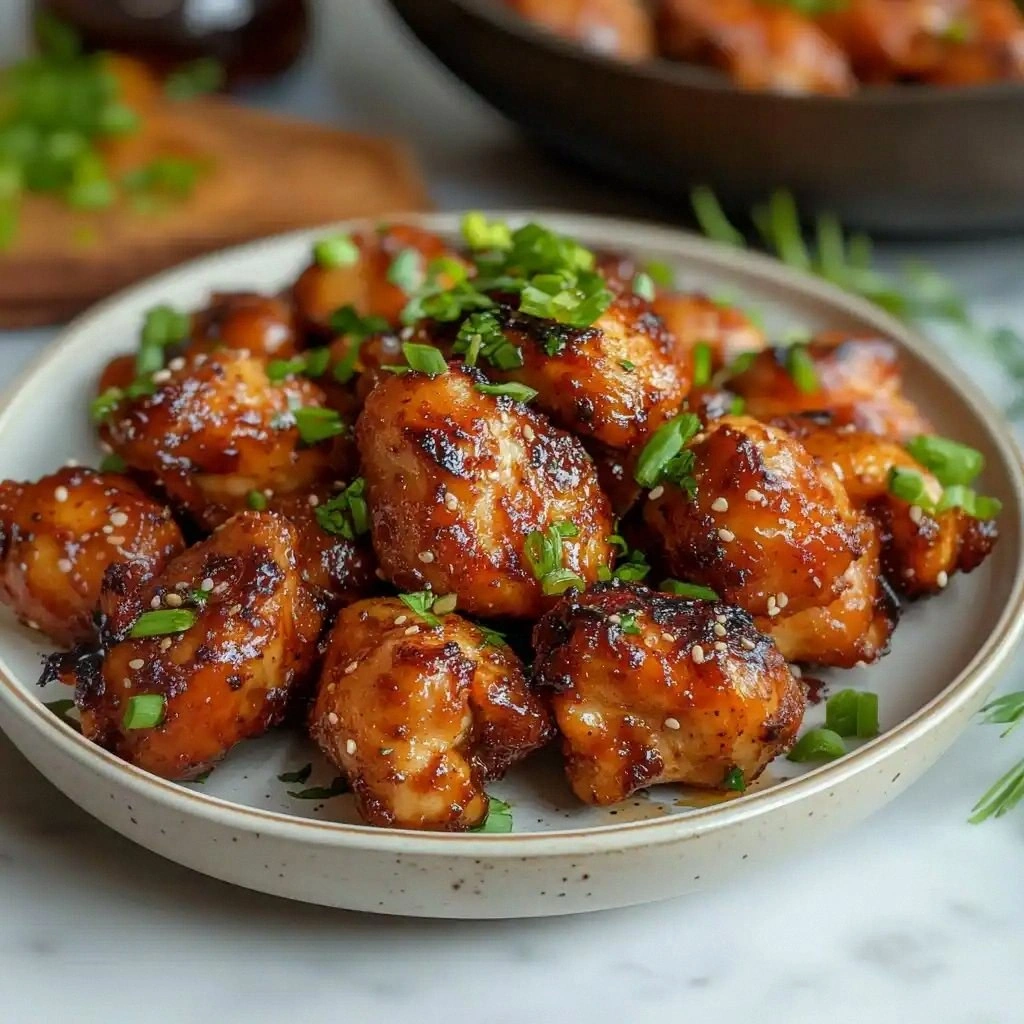
Picture the aroma: a sharp, peppery ginger scent mingles with the sweet hum of honey and the tang of rice vinegar. The sound of the sizzling chicken in a hot pan is a satisfying hiss that tells you everything is working. When you take that first bite, the sauce clings to the chicken like velvet, the heat from the chili paste dancing on your tongue, and the sesame seeds add a subtle crunch that punctuates each mouthful. The texture is a delightful contrast—tender meat with a glossy, caramelized coating, and the green onions give a fresh, bright bite that cuts through the richness.
What makes this version stand out is that it balances heat, sweetness, and umami without overwhelming the palate. The sauce is thick enough to cling but not so heavy that it feels greasy. It’s a dish that feels like it was crafted in a professional kitchen, but it can be whipped up in a single pan in under 35 minutes. I dare you to taste this and not go back for seconds, because the flavor will haunt your cravings long after you’ve finished.
If you’ve ever struggled to get a sauce that sticks to the chicken without burning, you’re not alone—and I’ve got the fix. Picture yourself pulling this out of the pan, the whole kitchen smelling incredible, and the table already buzzing with anticipation. This is hands down the best version you’ll ever make at home. Let me walk you through every single step—by the end, you’ll wonder how you ever made it any other way.
What Makes This Version Stand Out
- Flavor: The sauce is a harmonious blend of sweet honey, salty soy, and fiery chili paste, creating layers that evolve with each bite.
- Texture: The cornstarch slurry gives the glaze a glossy sheen while keeping the chicken tender and preventing it from drying out.
- Time: The entire process takes just 35 minutes, making it perfect for weeknight dinners or last‑minute entertaining.
- Ingredient Quality: Fresh ginger and garlic are the backbone; using them freshly grated unlocks a depth that canned or pre‑minced versions can’t match.
- Heat Control: The chili paste is measured so that it’s hot enough to excite but not so hot that it overwhelms, allowing you to adjust to taste.
- Versatility: The dish works beautifully with rice, noodles, or even a crisp lettuce wrap, making it adaptable to any meal plan.
- Crowd Reaction: Friends always ask for the recipe after dinner; it’s the kind of dish that turns an ordinary evening into a memorable feast.
- Make‑Ahead Potential: The sauce can be prepared a day ahead, letting the flavors meld, and the chicken can be reheated without losing its appeal.
Alright, let's break down exactly what goes into this masterpiece...
Inside the Ingredient List
The Flavor Base
Low‑sodium soy sauce is the backbone of the sauce, providing that deep umami punch that balances the sweetness of honey. It’s crucial to choose a low‑sodium version to avoid overpowering the dish with salt, especially if you’re serving it over rice, which already absorbs a lot of liquid. If you’re looking for a different twist, you can swap it for tamari or coconut aminos, which will give a slightly different profile but maintain the savory foundation. Remember, the sauce should be tangy enough to cut through the richness of the chicken, so keep an eye on the balance.
The Texture Crew
Cornstarch is the secret weapon that turns a runny mixture into a glossy, clingy glaze. It’s best to whisk the cornstarch with a little water before adding it to the sauce to prevent clumping. If you’re allergic to gluten, you can replace it with arrowroot or potato starch. The sesame oil, though used sparingly, adds a nutty aroma that elevates the entire dish. A few drops of toasted sesame oil right before serving can give an extra layer of depth.
The Unexpected Star
Fresh ginger is the star that brings a sharp, zesty brightness. Grated ginger releases essential oils that infuse the sauce quickly, while minced ginger gives a more subtle, lingering warmth. If you’re not a fan of raw ginger, you can lightly sauté it with garlic before adding the liquids; this mellows the heat slightly. The chili paste is the unexpected twist—its heat is concentrated, so a little goes a long way, and it also carries a smoky undertone that keeps the dish from feeling one‑dimensional.
The Final Flourish
Green onions and sesame seeds add a burst of freshness and a subtle crunch that cuts through the richness. Sliced green onions should be added at the very end to preserve their bright flavor and color. Sesame seeds can be toasted lightly in a dry pan to release their nutty aroma before sprinkling them over the finished dish. Lime wedges are a finishing touch that introduces a bright, citrusy acidity, balancing the heat and sweetness. A squeeze of lime just before serving transforms the dish from comforting to exhilarating.
Everything's prepped? Good. Let's get into the real action...
The Method — Step by Step
- Start by cutting the boneless chicken into bite‑sized pieces, then pat them dry with paper towels. Dry chicken is the key to getting a nice sear; any moisture will steam instead of sear. Season each piece lightly with salt and pepper, and set aside.
- Heat a large skillet or wok over medium‑high heat and add the sesame oil. Once the oil shimmers, add the chicken in a single layer, making sure not to overcrowd the pan. This step is crucial; overcrowding will lower the temperature and cause the chicken to steam.
- Sear the chicken for about 3–4 minutes per side until a golden brown crust forms. Flip only once per side to develop a consistent caramelization. The aroma of toasted chicken is the first indicator that you’re on the right track.
- Add the grated ginger and minced garlic to the pan. Stir quickly to combine, letting the aromatics bloom for 30 seconds. Watch for the sizzling sound—this is the moment of truth. The fragrance should be bright and inviting.
- Pour in the soy sauce, honey, rice vinegar, and chili paste. Stir everything together so the sauce coats the chicken evenly. Reduce the heat to medium and let the mixture simmer for 5 minutes, allowing the flavors to meld.
- Whisk the cornstarch with a tablespoon of cold water until smooth, then pour it into the pan. Stir vigorously to prevent clumping. The sauce will begin to thicken almost instantly; this is when you can see the glossy sheen forming.
- Add the sliced green onions and let the mixture cook for another 2 minutes. The green onions should soften slightly but retain their bright color. This step adds a fresh contrast to the rich glaze.
- Turn off the heat and sprinkle the sesame seeds over the top. Give the dish a gentle stir to distribute the seeds evenly. The sesame seeds add a nutty crunch that complements the silky sauce.
- Finally, squeeze fresh lime wedges over the chicken. The acidity cuts through the sweetness and balances the heat, leaving a bright finish that lingers on the palate.
- Serve immediately over steamed rice or noodles, or let the flavors intensify by letting it rest for a few minutes before serving. The dish will keep its integrity and even taste better the next day.
That's it — you did it. But hold on, I've got a few more tricks that'll take this to another level...
Insider Tricks for Flawless Results
The Temperature Rule Nobody Follows
Many cooks lower the heat too early, which prevents the sauce from thickening properly. Keep the heat medium to medium‑high throughout the cooking process; this ensures the cornstarch activates correctly and the glaze remains silky. If the sauce starts to look too thin, increase the heat slightly and let it reduce; if it’s too thick, add a splash of water or broth.
Why Your Nose Knows Best
A dish that smells right is almost always delicious. If the aroma leans too heavily on the ginger, consider adding a touch more soy sauce or a pinch of sugar to balance. If you notice a burnt note, it means the pan was too hot; next time, lower the heat before adding the chicken.
The 5‑Minute Rest That Changes Everything
After cooking, let the dish rest on a plate for 5 minutes before serving. This allows the juices to redistribute, keeping the chicken moist. It also gives the sauce a chance to thicken slightly as it cools, resulting in a more cohesive coating.
The Garlic‑Ginger Ratio
Balancing the sharpness of garlic with the warmth of ginger is essential. Too much garlic can overpower the subtle sweetness of honey. Aim for a ratio of 2 parts ginger to 1 part garlic for a harmonious blend.
The Chili Paste Tweak
If you’re a heat enthusiast, start with 2 tablespoons of chili paste and taste after the sauce has thickened. For a milder version, reduce to 1 tablespoon and add a dash of crushed red pepper flakes instead. This gives you control over the intensity without compromising the flavor profile.
Creative Twists and Variations
This recipe is a playground. Here are some of my favorite ways to switch things up:
Citrus Burst
Swap lime wedges for a splash of fresh orange juice and sprinkle some orange zest on top. The citrus sweetness pairs beautifully with the honey, creating a bright, tropical flavor.
Thai Fusion
Add a tablespoon of fish sauce and a handful of chopped cilantro. The fish sauce deepens the umami, while cilantro adds a fresh, herbal note that transports the dish to Thailand.
Creamy Twist
Stir in a tablespoon of coconut milk after the sauce has thickened. This gives the glaze a silky, tropical richness that complements the ginger’s heat.
Smoky Variation
Incorporate a teaspoon of smoked paprika or a few drops of liquid smoke. The smoky undertone adds depth and pairs well with the caramelized edges of the chicken.
Vegetarian Version
Replace chicken with firm tofu, sliced into cubes and lightly fried before adding the sauce. The tofu absorbs the glaze, creating a plant‑based dish that still delivers the same punch.
Storing and Bringing It Back to Life
Fridge Storage
Store leftovers in an airtight container in the refrigerator for up to 3 days. The sauce will thicken slightly, so when reheating, add a splash of water or broth to restore its silky texture. Reheat on low heat, stirring frequently, until warmed through.
Freezer Friendly
The dish freezes well for up to 2 weeks. Portion into freezer‑safe containers, seal, and label with the date. Thaw overnight in the refrigerator before reheating. If the sauce has separated, give it a good whisk before serving.
Best Reheating Method
Reheat in a skillet over medium heat, adding a splash of water or broth to loosen the glaze. Stir constantly until the sauce is heated through and glossy again. This method preserves the texture better than microwaving.