Imagine this: I’m juggling a half‑cooked pot of noodles, a stubborn miso paste that refuses to blend, and a peanut butter jar that’s suddenly lodged on the edge of the counter. My kitchen looks like a disaster zone, the timer’s ticking like a heckler, and somehow a phone notification pops up daring me to “make something quick.” I laughed, accepted the challenge, and what emerged was nothing short of a revelation. This isn’t just another ramen bowl; it’s the love child of Japanese umami and Thai‑style nuttiness, a dish that makes you question everything you thought you knew about instant noodles.
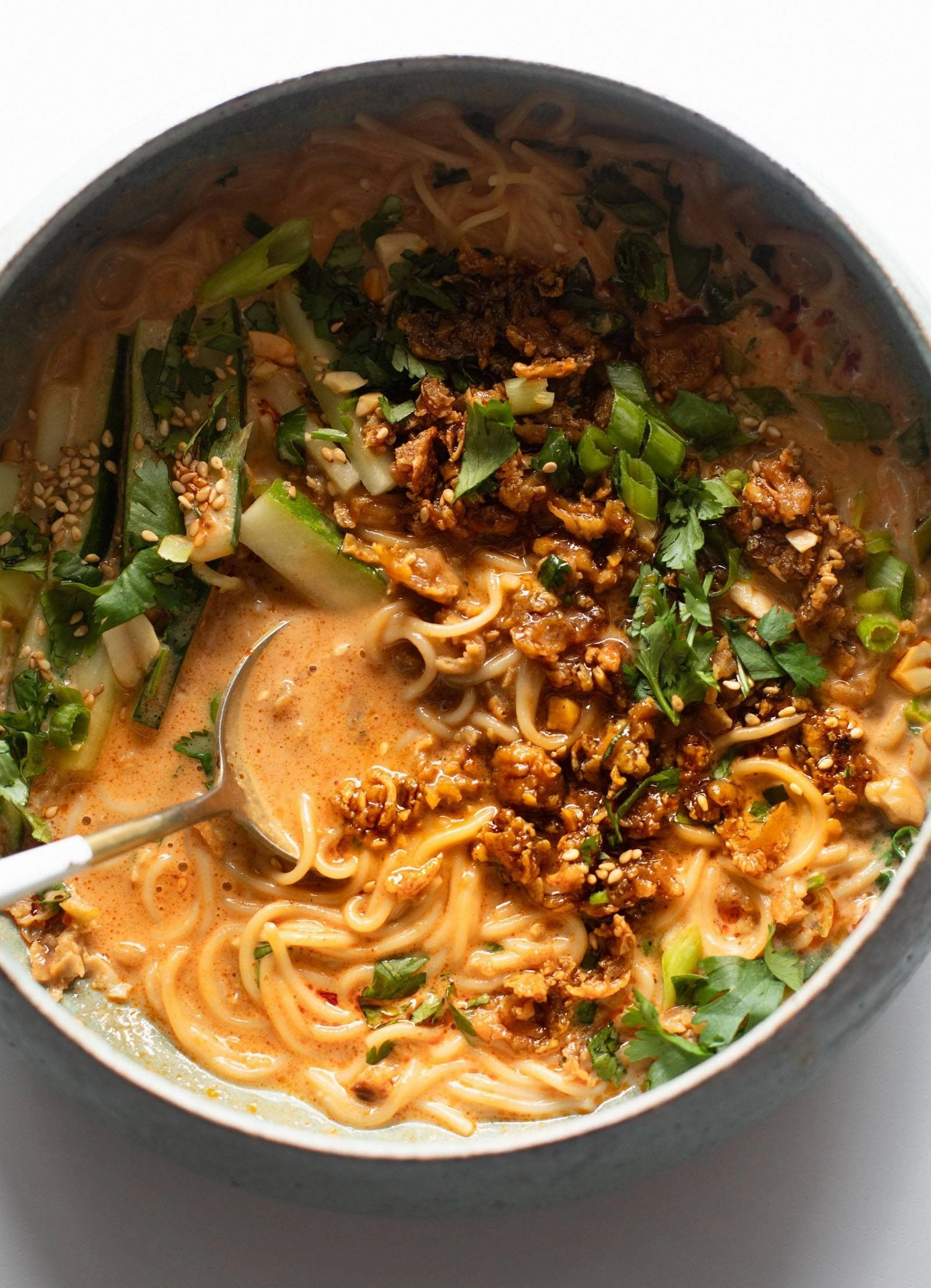
The moment the broth hit the stove, the air filled with a warm, earthy aroma that reminded me of autumn evenings in Kyoto mixed with a hint of a street market in Bangkok. I could hear the gentle pop of the sesame oil as it hit the hot pan, a sizzle that sounded like tiny fireworks announcing the flavor party about to explode. The broth swirled, turning a glossy amber‑gold, while the noodles softened into silky ribbons that begged to be twirled. The first spoonful was a symphony: salty, sweet, a little spicy, and a buttery peanut finish that coated the palate like a silky veil.
Why does this version stand out? Most recipes either drown the noodles in a watery sauce or overload them with a cloying sweetness. I took a step back, studied the balance of the classic miso ramen, then introduced a creamy peanut element that adds body without heaviness. The secret? A quick toast of garlic and ginger in sesame oil before the broth, unlocking flavors that otherwise stay hidden. The result is a bowl that feels comforting yet exciting—like finding a hidden level in your favorite video game.
I’m about to spill the beans (and peanuts) on a technique that most home cooks skip: the “fat‑weld” method, where a splash of oil is whisked into the broth at the very end, creating an emulsion that makes the sauce cling to the noodles like velvet. Trust me, once you try it, you’ll wonder how you ever survived without it. I dare you to taste this and not go back for seconds—because that’s exactly what will happen.
Let me walk you through every single step — by the end, you’ll wonder how you ever made it any other way.
What Makes This Version Stand Out
- Umami‑Rich Base: The combination of miso and soy sauce creates a depth that mimics slow‑cooked broth, even though the cooking time is under an hour.
- Peanut Silk: Creamy peanut butter adds a buttery mouthfeel that coats each noodle, turning every bite into a luscious experience.
- Texture Tango: Crunchy bean sprouts, crisp carrots, and fresh scallions provide contrast, so you never get a single‑note mouthfeel.
- Simplicity Meets Sophistication: Fewer than fifteen ingredients, yet each one plays a starring role—no fancy gadgets required.
- Crowd‑Pleaser Factor: Even the pickiest eaters love the sweet‑savory balance; it’s the kind of dish that turns skeptics into fans.
- Ingredient Quality: Using real miso (not the instant powder) and natural peanut butter makes the flavor authentic and vibrant.
- One‑Pot Wonder: Everything comes together in a single saucepan, meaning minimal cleanup and maximum flavor integration.
- Make‑Ahead Magic: The broth improves after a night in the fridge, giving you an even richer taste on day two.
Inside the Ingredient List
The Flavor Base
Miso Paste (3 tbsp): This fermented soybean powerhouse provides that deep, savory umami that makes ramen feel like a slow‑simmered masterpiece. If you skip it, the broth will taste flat, like a song missing its bass line. For a milder version, try white miso; for a bolder punch, go for red miso. When buying, look for a paste that’s smooth and not overly salty, and give the jar a good stir before measuring.
Peanut Butter (3 tbsp, creamy): The star of the show, it adds richness and a subtle sweetness that balances the saltiness of the miso. Don’t reach for the sugary “snack” variety—use a natural, unsweetened peanut butter for a clean flavor. If you’re allergic, almond butter works as a decent stand‑in, though the flavor profile will shift slightly toward a nuttier note.
Soy Sauce (2 tbsp): The chandelier of salty brightness, it lifts the broth without drowning it. Too much, and you’ll overpower the delicate miso. Opt for a low‑sodium version if you’re watching your salt intake; you can always add a pinch of sea salt later if needed.
The Texture Crew
Ramen Noodles (340 g): Traditional wheat‑based noodles give you that perfect bite—chewy yet tender. If you’re gluten‑free, rice noodles or shirataki noodles can substitute, but expect a different mouthfeel. Fresh noodles cook faster; dried noodles need a minute or two longer. Rinse them briefly in cold water after cooking to stop the cooking process and keep them from sticking.
Bean Sprouts (1 cup): They bring a crisp, refreshing crunch that contrasts the silky broth. Skip them, and you lose that vital textural pop. If you’re not a fan, snap peas or thinly sliced bell pepper work well as alternatives.
Shredded Carrots (1 cup): Their natural sweetness cuts through the salty broth, adding a splash of color that makes the bowl Instagram‑ready. Peeled and julienned carrots keep their bite; over‑cooking them turns them mushy and dull.
The Unexpected Star
Sesame Oil (1 tbsp): Just a splash, but it carries a toasty, nutty aroma that whispers “Asian comfort” with every inhalation. Too much, and it will dominate the broth, turning it bitter. Use a high‑quality, cold‑pressed version for the richest flavor.
Chili Oil (1 tsp, optional): This is the secret weapon that gives the dish that subtle heat without making it a fireball. If you love spice, drizzle a little extra at the end; if you’re sensitive, keep it to a whisper.
The Final Flourish
Green Onions (2 stalks, sliced): Their sharp, fresh bite finishes the bowl with a bright green pop. Skip them, and you miss that final layer of aroma that lifts the whole dish.
Cilantro (¼ cup, chopped): Its citrusy nuance adds depth and a fragrant finish. If you aren’t a fan, parsley or Thai basil can replace it without major flavor loss.
Lime Wedges (1, cut into wedges): The squeeze of lime right before eating adds a zing that brightens the entire bowl. It’s the culinary equivalent of a high‑note in a song.
Garlic (2 cloves, minced) & Ginger (1 tsp, grated): These aromatics are the foundation, creating a fragrant base that sings through the broth. Forgetting them is like trying to bake a cake without sugar—plain and uninspired.
Seasonings (salt & pepper to taste): The final tweak that brings everything into harmony. A pinch of each at the end lets you adjust the balance precisely.
Everything's prepped? Good. Let's get into the real action...
The Method — Step by Step
Start by heating a large saucepan over medium heat and add the sesame oil. As soon as the oil shimmers, toss in the minced garlic and grated ginger. Hear that sizzle? That’s the sound of flavor foundations building. Stir for 30 seconds until fragrant, but watch closely—if the garlic browns too quickly, it turns bitter.
Now drizzle in the soy sauce and rice vinegar, allowing them to mingle with the aromatics. The mixture should bubble gently, creating a glossy glaze that coats the garlic and ginger. This step is the first layer of the “fat‑weld” I promised—don’t skip it.
Kitchen Hack: Use a wooden spoon to scramble the miso into the sauce; metal can cause clumping.Pour in the vegetable broth, stirring constantly to dissolve any bits stuck to the bottom. Bring the broth to a gentle boil, then reduce to a simmer. At this point, the aroma should be a heady mix of soy, nut, and that toasted sesame note. Let it simmer for five minutes, giving the flavors a chance to marry.
While the broth simmers, whisk the miso paste and peanut butter together in a small bowl with a splash of the hot broth to loosen them up. This “tempering” prevents lumps and ensures a silky texture. Once smooth, pour the mixture back into the pot, stirring constantly. The broth will instantly turn a richer, amber hue.
Now, add the chili oil if you’re using it, followed by the carrots and bean sprouts. They only need a quick 2‑minute blanch in the hot broth; this keeps them crisp, not soggy. Taste the broth here—if you feel it’s lacking depth, a pinch of salt helps, but remember the soy sauce already brought plenty of saltiness.
Watch Out: Adding vegetables too early will overcook them, turning the bowl into a mushy mess.Next, add the ramen noodles directly into the simmering broth. Stir gently to separate them. Cook according to the package instructions—usually 3‑4 minutes for dried noodles. When the noodles are just al dente, turn off the heat. This is the moment of truth; the noodles should be bathed in the creamy broth, each strand glossy and slightly sticky.
Stir in the lime juice at this stage; the acidity brightens the entire bowl and prevents the flavors from feeling heavy. Drop the sliced green onions, cilantro, and a final drizzle of sesame oil. The herbs should stay vivid green—if they wilt, you’ve over‑cooked them.
Give the bowl a final taste correction. This is where your nose becomes the most reliable gauge: if you detect any missing note—perhaps a whisper of sweetness—add a tiny splash of honey or a dash more miso. Remember, adjusting at the end is easier than rescuing an over‑seasoned broth.
Divide the ramen into four generous bowls, garnish each with a lime wedge, a sprinkle of extra chili oil, and a few extra bean sprouts for that final crunch. Serve immediately while the steam dances above each bowl, inviting you to dive in.
Kitchen Hack: For an ultra‑silky finish, whisk in a teaspoon of cold butter right before serving; it creates a glossy coat that clinches the sauce to the noodles.
That's it — you did it. But hold on, I've got a few more tricks that'll take this to another level...
Insider Tricks for Flawless Results
The Temperature Rule Nobody Follows
Never add miso to a rolling boil. Cool the broth down to a gentle simmer before whisking in the miso; this preserves its delicate enzymes and prevents a bitter aftertaste. I once added it straight to a boil and ended up with a broth that tasted like burnt toast. The difference is night‑and‑day, so keep that temperature in mind.
Why Your Nose Knows Best
Before you taste, inhale deeply. Your nose can detect nuances—like a hint of caramelized garlic or a whisper of pepper—that your palate might miss. If the aroma feels flat, add a splash more sesame oil or a pinch of toasted sesame seeds; the scent will instantly perk up, guiding the final flavor adjustments.
The 5‑Minute Rest That Changes Everything
After cooking, let the bowl sit uncovered for five minutes. This short rest lets the noodles absorb more broth, softening the texture and deepening the flavor. Skipping this step is like serving a song before the final chord—something feels unfinished.
Use the Right Noodle Shape
Curly ramen noodles trap the sauce better than straight ones. I tried straight spaghetti once; the broth slipped right through, leaving a dry experience. If you’re stuck with straight noodles, toss them with a little oil before cooking to help the sauce cling.
Freeze‑Proof the Broth
Want leftovers? Cool the broth quickly in an ice bath, then portion into airtight containers. Freeze for up to two months. When reheating, add a splash of water or extra broth to revive the silky texture. I once reheated a frozen batch without water; the result was a stubbornly thick glaze that clung to the pot.
Creative Twists and Variations
This recipe is a playground. Here are some of my favorite ways to switch things up:
Spicy Szechuan Spin
Swap chili oil for a tablespoon of Szechuan peppercorn oil and add a dash of doubanjiang (fermented bean paste). The result is a tongue‑tingling heat that builds gradually, perfect for heat‑seekers.
Coconut Curry Fusion
Replace half the vegetable broth with coconut milk and stir in a teaspoon of red curry paste. This creates a luscious, tropical twist while preserving the miso‑peanut harmony.
Protein‑Packed Power
Add pan‑seared tofu cubes, shredded chicken, or even shrimp in the last two minutes of cooking. Each protein brings its own texture—firm tofu adds a buttery bite, while shrimp adds a delicate sweetness.
Veggie‑Heavy Garden
Bulk up the bowl with sliced shiitake mushrooms, baby bok choy, and snap peas. The added veggies increase fiber and make the dish feel even more substantial without altering the core flavor profile.
Smoky BBQ Finish
Stir in a teaspoon of smoked paprika and a splash of BBQ sauce after the broth is done. The smoky undertones complement the peanuts beautifully, turning the bowl into a comfort food mash‑up.
Cold Noodle Summer Version
Prepare the broth, let it chill, and serve over cooked, cooled ramen with a garnish of cucumber ribbons and fresh herbs. This transforms the hearty bowl into a refreshing cold noodle salad—ideal for hot summer days.
Storing and Bringing It Back to Life
Fridge Storage
Separate the broth from the noodles in airtight containers. Store the broth for up to three days and the noodles for two days. When ready to eat, reheat the broth gently, then toss the noodles in for a quick refresh.
Freezer Friendly
Freeze the broth in portion‑size bags or jars for up to two months. The noodles freeze best when slightly undercooked; they’ll finish cooking when you reheat the broth. Thaw overnight in the fridge, then reheat with a splash of water to restore the silky texture.
Best Reheating Method
Heat the broth on low‑medium until just steaming, then add a tablespoon of water or extra broth to loosen any thickened sauce. Drop the noodles in, let them sit for a minute, and finish with fresh toppings. This technique prevents the noodles from turning gummy and keeps the broth glossy.