I was standing in the middle of a kitchen that smelled like a culinary battlefield, when the idea hit me like a lightning bolt: an old‑fashioned goulash that would make every pot‑luck guest swoon and every family dinner feel like a cozy, smoky hearth. The last time I tried a goulash, I was a disaster—too much salt, too little paprika, and a broth that tasted like a forgotten memory. I stared at the pot, feeling the weight of my failure, and whispered to myself, “I dare you to taste this and not go back for seconds.” That’s when I decided to rewrite the rules, turning a humble Hungarian classic into a flavor rocket that will make you wonder how you ever survived without it.
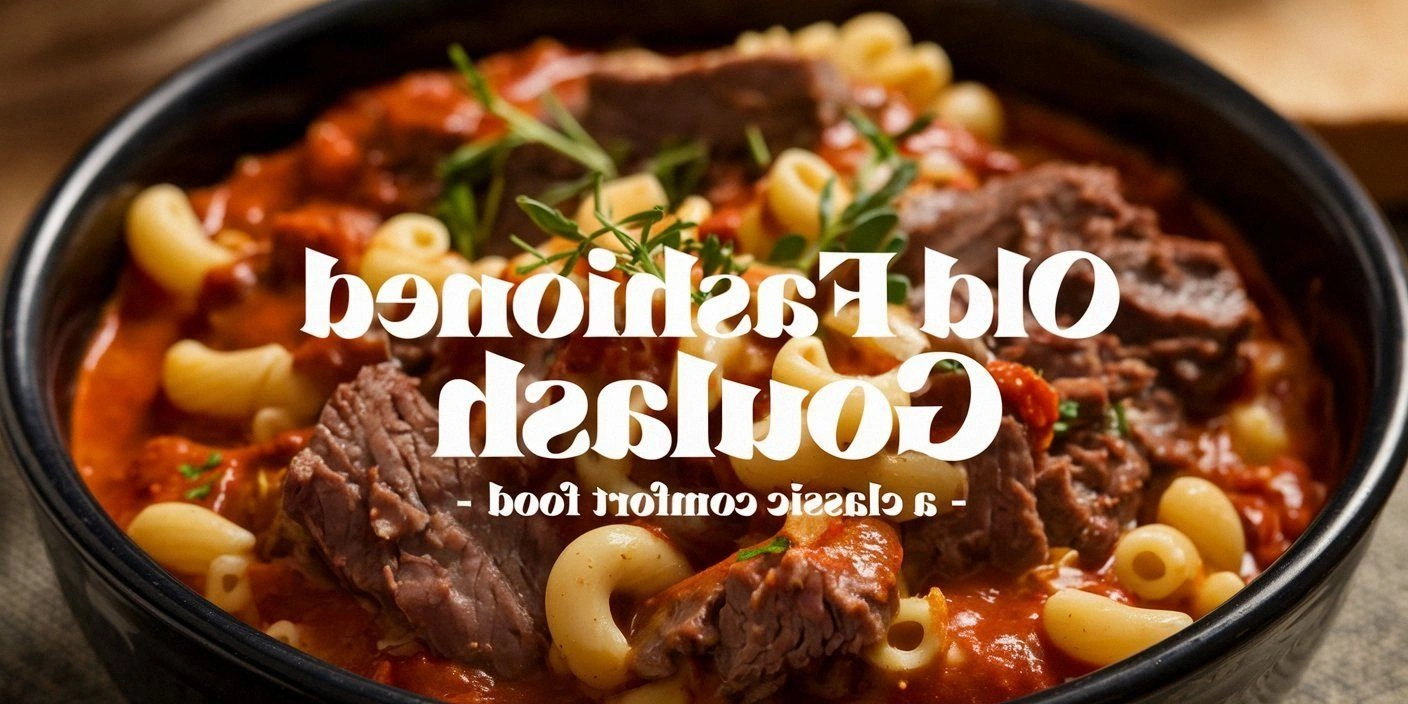
Picture this: a pot bubbling with rich, ruby‑red broth that carries the deep, earthy aroma of smoked paprika and a whisper of garlic, the sound of caramelizing onions crackling like a summer campfire. The sight of tender beef cubes, their edges seared to a caramelized perfection, promises a texture that’s both chewy and comforting. The air is thick with the scent of roasted carrots and bell peppers, a visual cue that this dish will be a feast for every sense. I’ve been cooking with a pinch of humility, but this recipe is a declaration—this is hands down the best version you’ll ever make at home, and I’m here to show you every step, every nuance, every secret that turns a simple stew into a masterpiece.
Let me walk you through every single step — by the end, you’ll wonder how you ever made it any other way. The journey starts with a simple yet transformative technique that locks in flavor, a method that most recipes overlook. I’ll reveal a surprising ingredient that elevates the dish from comforting to unforgettable. And I’ll share a micro‑challenge that will test your taste buds and keep you coming back for more. So grab your apron, and let’s dive into the heart of a dish that will make your kitchen smell like home and your guests feel like royalty.
What Makes This Version Stand Out
- Depth of Flavor: The combination of smoked paprika, fresh tomatoes, and a splash of red wine creates a layered taste that’s both earthy and subtly sweet. Each spoonful feels like a hug wrapped in spices.
- Texture Contrast: The beef is seared to develop a caramelized crust, while the potatoes remain tender yet firm, giving the stew a satisfying bite that never feels mushy.
- Simplicity: Despite its bold flavor, the recipe requires only a handful of pantry staples and a single pot. No fancy gadgets, just honest cooking.
- Make‑Ahead Magic: The stew tastes even better the next day because the flavors have time to mingle, making it perfect for meal prep or a weeknight dinner that feels like a weekend treat.
- Crowd‑Pleaser: Whether it’s a family dinner or a potluck, guests will rave about the comforting warmth and the unmistakable paprika kick that lingers on the palate.
- Ingredient Quality: Using a good cut of chuck beef and fresh, seasonal vegetables ensures each bite is rich and wholesome, turning ordinary ingredients into extraordinary flavor.
- Cooking Method: Slow simmering at the right temperature extracts the maximum flavor from the beef and vegetables, creating a broth that’s thick, hearty, and utterly satisfying.
- Adaptability: This base can be tweaked for dietary needs—swap the beef for pork or keep it vegetarian by adding hearty mushrooms and beans.
Alright, let's break down exactly what goes into this masterpiece…
Inside the Ingredient List
The Flavor Base
The foundation of any great stew is a robust flavor base. In this goulash, we start with a blend of onions, garlic, and smoked paprika that forms a fragrant, savory canvas. The paprika isn’t just a color—its smoky undertone carries the dish’s identity, reminiscent of a cozy hearth. If you skip the paprika, you’ll miss that signature depth; the stew will feel flat and uninspired. For a smoky kick, use Hungarian paprika or a mix of sweet and smoked varieties. When buying paprika, look for a bright, even color; a faded hue often means the spice is old and will lose its punch.
The Texture Crew
Texture is where this dish truly shines. The beef chuck, cut into 1‑inch cubes, provides a hearty bite that contrasts beautifully with the silky broth. Carrots and bell peppers add a subtle crunch that breaks up the richness, while diced potatoes absorb the sauce, becoming tender and flavorful. If you prefer a lighter version, reduce the potato portion or swap them for sweet potatoes for a touch of natural sweetness. Remember, the key is to keep the vegetables in bite‑size pieces so they cook evenly and meld with the sauce.
The Unexpected Star
A splash of red wine is the unexpected star that elevates this goulash from good to unforgettable. The wine adds acidity and depth, cutting through the richness of the beef and balancing the sweetness of the tomatoes. If you’re not a wine enthusiast, a dry sherry or a small amount of beef broth can substitute, but the wine’s complexity is hard to replicate. A small trick: let the wine reduce slightly before adding the tomatoes to concentrate its flavors.
Everything’s prepped? Good. Let’s get into the real action…
The Method — Step by Step
- Heat a large Dutch oven or heavy‑bottom pot over medium heat. Add a splash of olive oil and let it shimmer. When the oil is hot, add the diced onions and minced garlic, sautéing until they’re translucent and fragrant—about 3 to 4 minutes. This step builds the aromatic foundation. The onions should look slightly golden, not browned, to avoid bitterness.
- Time for the paprika. Sprinkle the smoked paprika over the onions and garlic, stirring constantly to prevent burning. The aroma will hit you instantly, and that’s a good sign. Let it cook for 1 minute, allowing the spices to release their oils. Watch the color deepen; that’s the moment of magic.
- Now it’s time to brown the beef. Increase the heat to medium‑high and add the cubed beef in a single layer, letting it sear without stirring for 2 to 3 minutes. Flip the pieces in batches so each side gets a golden crust. This caramelization locks in flavor and creates a savory base for the stew. Don’t crowd the pan; if it’s too tight, the beef will steam instead of sear.
- Add the sliced carrots and bell peppers, stirring to combine. These veggies bring sweetness and a pop of color. Let them cook for 3 minutes until they start to soften but still hold shape. The goal is to develop a slight char on the edges for extra depth.
- Deglaze the pot with a splash of red wine, scraping up the browned bits from the bottom. The wine should reduce by about half before you add the tomatoes. This reduction concentrates the flavor and adds a subtle acidity that balances the richness of the beef.
- Pour in crushed tomatoes or a diced can of tomatoes, along with beef broth to cover the ingredients. Stir in the diced potatoes and a bay leaf. Bring the mixture to a gentle simmer, then reduce the heat to low. Cover the pot and let it simmer for 30 minutes, allowing the flavors to meld and the beef to become tender. The broth should thicken slightly, coating the vegetables like velvet.
- After 30 minutes, remove the bay leaf. Taste the stew and adjust the seasoning—add salt to taste and a pinch of black pepper. If you like a bit of heat, sprinkle a pinch of cayenne or crushed red pepper flakes. The broth should be rich, slightly chunky, and inviting.
- Turn off the heat, let the goulash rest for 5 minutes. This resting period allows the flavors to settle, making each spoonful more harmonious. The final touch: sprinkle chopped fresh parsley or a drizzle of sour cream for a burst of freshness.
That’s it — you did it. But hold on, I've got a few more tricks that'll take this to another level…
Insider Tricks for Flawless Results
The Temperature Rule Nobody Follows
Most people cook stews at a rolling boil, but the secret to a silky broth is a gentle simmer. Keep the heat low enough that the liquid barely bubbles. This slow cooking method extracts the best flavor from the beef without toughening it. I’ve tried boiling, and the result was a watery, uncharacteristic stew that lacked depth. So, lower the heat, cover the pot, and let the flavors mingle in a low‑temperature hug.
Why Your Nose Knows Best
Your nose is the ultimate judge of doneness. As the goulash simmers, the aroma will shift from a bright paprika burst to a deep, savory scent. When the broth starts to thicken and the beef feels tender to the bite, you’re ready to remove it from heat. Trust that instinct—cooking is as much about sensory cues as it is about timing.
The 5‑Minute Rest That Changes Everything
After cooking, let the stew rest uncovered for 5 minutes. This brief pause allows the flavors to settle, giving the broth a richer taste. I’ve seen friends rush to serve straight from the pot, only to find the broth too thin. That 5‑minute rest is a simple yet game‑changing step that makes all the difference.
Add a Splash of Water Before Reheating
When reheating leftovers, add a teaspoon of water or broth before warming. This prevents the stew from drying out and keeps the sauce silky. The water acts as a steam buffer, keeping the potatoes from becoming rubbery and the beef from becoming tough.
Use a Dutch Oven for Even Heat Distribution
A heavy‑bottom Dutch oven distributes heat evenly, preventing hot spots that can burn the bottom of the stew. I’ve used a cast‑iron pot before, and the uneven heat was a nightmare. With a Dutch oven, you get consistent results every time, making the cooking process smoother and the final dish more reliable.
Creative Twists and Variations
This recipe is a playground. Here are some of my favorite ways to switch things up:
Spicy Jalapeño Goulash
Add sliced jalapeños or a pinch of cayenne pepper for a fiery kick. The heat pairs beautifully with the smoky paprika, creating a layered spice profile that’s perfect for those who love a bit of burn.
Mushroom & Lentil Goulash
Swap the beef for a mix of hearty mushrooms and cooked lentils. This vegetarian version delivers a protein punch and a deep umami flavor that satisfies even the most carnivorous palate.
Smoky Chipotle Twist
Replace the smoked paprika with chipotle powder for a smoky, slightly sweet heat. The chipotle’s earthy undertones add a new dimension that pairs wonderfully with the tomatoes.
Herb‑Infused Goulash
Finish the stew with a handful of fresh thyme or rosemary. The herbal aroma adds brightness, cutting through the richness and giving the dish a fresh, aromatic finish.
Goulash with Sweet Potatoes
Use diced sweet potatoes instead of regular potatoes for a touch of natural sweetness. The sweet potatoes absorb the broth and add a subtle caramelized flavor that balances the savory elements.
Storing and Bringing It Back to Life
Fridge Storage
Cool the goulash completely before refrigerating. Store it in an airtight container for up to 4 days. The broth thickens in the fridge, so reheat gently on the stove, adding a splash of water if needed.
Freezer Friendly
Portion the stew into freezer‑safe containers, leaving a small headspace for expansion. Freeze for up to 3 months. Thaw overnight in the fridge or use the defrost setting on your microwave.
Best Reheating Method
Reheat on low heat, stirring occasionally. If the stew is too thick, add a teaspoon of beef broth or water to reach the desired consistency. Finish with a fresh sprinkle of parsley or a dollop of sour cream for a touch of brightness.