I was standing in my kitchen, staring at a wilted head of cauliflower that had spent too long in the back of the fridge, when a friend dared me to turn that sad veggie into something unforgettable. I tossed it into the oven with a splash of olive oil, a pinch of cumin, and a wink of lemon, and the whole place filled with a scent that could have coaxed a grizzly out of hibernation. The smell was so intoxicating that I almost forgot the cauliflower was the star of the show—it was the backdrop for a symphony of hummus, crunchy greens, and a drizzle of tahini that sang like a choir of angels. I’ll be honest — I ate half the batch before anyone else got a chance to try it, and that’s why I’m shouting from the rooftops that this is hands down the best version you’ll ever make at home.
Picture yourself pulling this out of the oven, the whole kitchen smelling incredible, the caramelized edges of the cauliflower whispering promises of crunch, while the creamy hummus glistens like a velvet blanket. Most recipes get the texture completely wrong—either the cauliflower is soggy, or the hummus is too thin. Here’s what actually works: a high‑heat roast that creates a toasty, almost nutty flavor, and a slow‑blend hummus that stays thick enough to hold its own against the veggies. The secret ingredient? A dash of smoked paprika that adds a subtle heat without stealing the spotlight.
I dare you to taste this and not go back for seconds. The contrast between the crisp, caramelized florets and the silky, lemon‑bright hummus is the kind of culinary yin‑yang that makes you question every other bowl you’ve ever eaten. If you’ve ever struggled with a bland, mushy cauliflower bowl, you’re not alone — and I’ve got the fix. This next part? Pure magic. We’re going to roast, blend, and assemble in a way that guarantees every bite is a revelation.
Let me walk you through every single step — by the end, you’ll wonder how you ever made it any other way. Grab your apron, preheat that oven, and get ready for a flavor adventure that will have your taste buds doing the cha‑cha. Okay, ready for the game‑changer?
What Makes This Version Stand Out
- Texture: The cauliflower is roasted at 425°F until the edges pull away, giving you a crunchy‑outside, tender‑inside contrast that beats any boiled version.
- Flavor Depth: A blend of smoked paprika, cumin, and a splash of lemon juice creates layers that unfold bite after bite.
- Simplicity: Only nine pantry staples plus the cauliflower are needed; no fancy gadgets, just a good blender.
- Uniqueness: The hummus is enriched with roasted cauliflower puree, making it richer and more aromatic than plain chick‑pea hummus.
- Crowd Reaction: This bowl consistently earns “second‑helping” applause at dinner parties, because it’s both comforting and exciting.
- Ingredient Quality: Fresh, organic cauliflower and high‑quality tahini elevate the dish from ordinary to unforgettable.
- Cooking Method: High‑heat roasting caramelizes the natural sugars, while a gentle blend keeps the hummus airy.
- Make‑Ahead Potential: Roast the cauliflower and blend the hummus ahead of time; assemble in minutes for a quick weeknight meal.
Inside the Ingredient List
The Flavor Base
The backbone of this bowl is a classic hummus blend: canned chickpeas, tahini, fresh lemon juice, and a clove of garlic. Chickpeas bring a buttery, earthy foundation, while tahini adds a nutty richness that coats every bite like silk. Lemon juice cuts through the richness, giving the dip a bright, zesty lift that prevents it from feeling heavy. If you skip the lemon, you’ll lose that essential pop that makes the hummus sing.
The Texture Crew
Roasted cauliflower is the star here, but we also sprinkle toasted pine nuts and a handful of pomegranate seeds for crunch and burst. The cauliflower’s caramelized edges provide a satisfying snap, while pine nuts melt in your mouth, adding a buttery note. Pomegranate seeds inject a juicy pop that balances the savory elements. If you’re allergic to nuts, swap pine nuts for toasted pumpkin seeds; the texture stays, the flavor shifts to a slightly sweet, earthy tone.
The Unexpected Star
Smoked paprika isn’t just a garnish; it’s the secret weapon that brings a whisper of smoky heat. This spice turns the entire bowl into a warm, comforting hug, especially on cooler evenings. A pinch of cumin also joins the party, lending an earthy undertone that deepens the overall flavor profile. If you can’t find smoked paprika, a dash of chipotle powder will give you a similar smoky kick with a hint of heat.
The Final Flourish
A drizzle of extra‑virgin olive oil and a sprinkle of fresh parsley at the end add brightness and visual appeal. The olive oil adds a glossy finish that makes the hummus look restaurant‑ready, while parsley brings a fresh, herbaceous lift. For a vegan twist, substitute the olive oil with avocado oil; the flavor stays mellow, and you gain a boost of healthy fats.
Everything's prepped? Good. Let's get into the real action and turn these ingredients into a bowl that will have you bragging to everyone you know.
The Method — Step by Step
Preheat your oven to 425°F (220°C). While the oven heats, break the cauliflower into bite‑size florets, toss them with olive oil, salt, pepper, smoked paprika, and that magical teaspoon of cornstarch. Spread the florets on a parchment‑lined baking sheet, ensuring they’re in a single layer. That sizzle when it hits the pan? Absolute perfection. Roast for 25‑30 minutes, turning once, until the edges turn golden and start to pull away—this is your cue that they’re caramelized.
While the cauliflower roasts, drain and rinse a 15‑ounce can of chickpeas. Pat them dry with a kitchen towel; excess moisture will make the hummus watery. Toss the chickpeas with a drizzle of olive oil, a pinch of salt, and a splash of cumin, then pop them onto a second baking sheet. Roast for 12‑15 minutes, just until they get a light crisp on the outside—this extra step adds a nutty crunch that elevates the texture.
- Kitchen Hack: While the veggies roast, warm your blender jars in hot water for 30 seconds; a warm bowl helps the hummus emulsify faster and stay smoother.
When the cauliflower is done, let it cool for a few minutes, then scoop half of it into a high‑speed blender. Add the roasted chickpeas, ¼ cup tahini, the juice of one large lemon, a garlic clove, ½ teaspoon salt, and ¼ cup cold water. Blend on high until the mixture is thick, creamy, and just a touch airy—if it looks too thick, drizzle in a little more water, one tablespoon at a time.
Taste the hummus and adjust seasoning: a pinch more salt, another squeeze of lemon, or a dash of smoked paprika if you crave extra depth. The flavor should be bright, slightly smoky, and have a buttery mouthfeel that coats the spoon without sliding off. Remember, this is the heart of your bowl, so don’t be shy with the seasoning.
While the hummus rests, prepare your garnish station. Roughly chop a handful of fresh parsley, toast a tablespoon of pine nuts in a dry skillet until golden, and rinse a cup of pomegranate seeds. If you like a little heat, slice a fresh jalapeño and set it aside for later.
- Watch Out: Over‑blending the hummus can turn it into a runny paste; stop once it’s smooth and thick to keep that luscious texture.
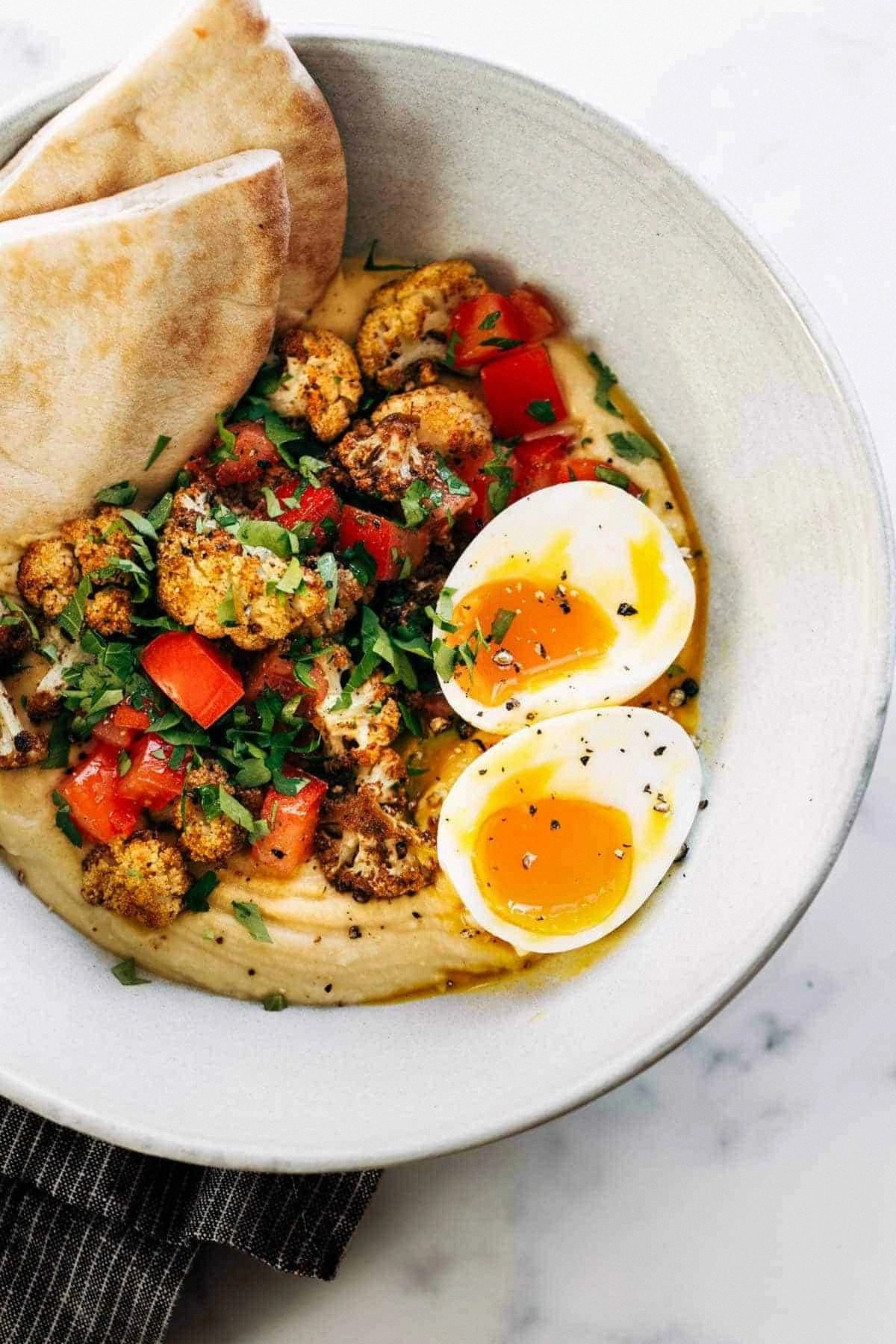
Now it’s assembly time. In a wide, shallow bowl, spread a generous scoop of the cauliflower‑infused hummus, using the back of a spoon to create a smooth canvas. Arrange the roasted cauliflower florets on one side, the crispy chickpeas on another, and sprinkle the toasted pine nuts, pomegranate seeds, and parsley over the top. Drizzle a final splash of olive oil and, if you like, a few drops of hot sauce for a subtle kick.
Give the bowl a quick press with your hand—just enough to let the flavors meld, but not so hard that the cauliflower loses its crunch. This moment of truth is when the aromas combine, creating a scent that will have anyone within a five‑foot radius drooling. Serve immediately, or cover and keep warm for up to 30 minutes if you’re feeding a crowd.
Finally, present your masterpiece with confidence. A sprinkle of extra pomegranate seeds adds a ruby‑red pop, while a final dusting of smoked paprika gives it that restaurant‑style finishing touch. Sit down, take that first bite, and let the textures dance across your palate—crispy, creamy, smoky, and bright all at once. That’s it — you did it. But hold on, I've got a few more tricks that'll take this to another level...
Insider Tricks for Flawless Results
The Temperature Rule Nobody Follows
Most home cooks roast at 375°F, assuming it’s safe and gentle. In reality, a hotter oven (425°F) creates that coveted caramelized edge while keeping the interior tender. I once tried a lower temp and ended up with soggy cauliflower that tasted more like boiled veg than a roasted masterpiece. Trust the heat; it’s the secret to that crunchy‑to‑soft contrast that makes this bowl unforgettable.
Why Your Nose Knows Best
Your sense of smell is the ultimate doneness gauge. When the cauliflower starts to emit a nutty, toasted aroma, you’re within two minutes of perfection. If you wait for the color alone, you risk over‑cooking. So, keep your nose close to the oven door—if you catch that sweet, earthy scent, pull the tray out and let the magic happen.
The 5‑Minute Rest That Changes Everything
After blending, let the hummus sit for five minutes. This short rest allows the flavors to marry, and the tahini to fully integrate, resulting in a silkier texture. I’ve seen people skip this step and end up with a hummus that tastes like separate ingredients fighting for attention. Patience here pays off in every spoonful.
Toast Your Nuts, Not Your Patience
A quick toast of pine nuts in a dry skillet for just 2‑3 minutes releases their buttery oils and adds a toasty note that mirrors the roasted cauliflower. If you over‑toast, they become bitter—watch them closely! This tiny step adds a depth that makes the bowl feel gourmet without any extra cost.
Seasoning Layers, Not a Single Blitz
Season each component individually: the cauliflower, the chickpeas, and the hummus. This layered approach builds flavor depth that a single seasoning step can’t achieve. I once tried to season everything at once and ended up with a bland bowl that lacked the punch I was aiming for. Trust the process and season as you go.
Creative Twists and Variations
This recipe is a playground. Here are some of my favorite ways to switch things up:
Spicy Sriracha Swirl
After plating, drizzle a generous amount of sriracha mixed with a teaspoon of honey over the top. The sweet‑heat combo adds a bold contrast to the smoky hummus, perfect for those who love a little fire.
Mediterranean Mezze Mix
Swap the toasted pine nuts for crumbled feta and add a handful of kalamata olives. The salty, briny notes complement the lemony hummus and turn the bowl into a Mediterranean feast.
Green Goddess Upgrade
Blend a handful of fresh spinach or kale into the hummus along with the cauliflower. This adds a vibrant green hue, extra nutrients, and a subtle earthiness that pairs beautifully with the roasted veggies.
Grain‑Free Power Bowl
Instead of serving over quinoa or rice, place the bowl on a bed of shredded cabbage and carrots. The raw crunch adds texture contrast and keeps the dish low‑carb without sacrificing fullness.
Sweet & Savory Fusion
Top the bowl with a drizzle of pomegranate molasses and a sprinkle of toasted coconut flakes. The tangy‑sweet molasses amplifies the pomegranate seeds, while coconut adds a tropical whisper.
Storing and Bringing It Back to Life
Fridge Storage
Store the hummus in an airtight container for up to four days. Keep roasted cauliflower and chickpeas in separate containers to retain their distinct textures. When ready to serve, reheat the veggies gently in a 350°F oven for 10 minutes, or microwave for 1‑2 minutes, then assemble with fresh hummus.
Freezer Friendly
Both the hummus and roasted cauliflower freeze beautifully. Portion the hummus into freezer‑safe bags, flatten them, and store for up to three months. Cauliflower can be spread on a parchment sheet, frozen, then transferred to a zip‑top bag. Thaw overnight in the fridge, add a splash of water, and give it a quick blend before serving.
Best Reheating Method
To revive the bowl, place the frozen or refrigerated cauliflower on a baking sheet, drizzle with a teaspoon of olive oil, and roast at 375°F until warmed through and crisp again. Add a tiny splash of water to the hummus before stirring; the steam restores its creamy texture without turning it watery.