Picture this: I’m standing in my cramped kitchen, the timer on my oven blinking red, and a sudden craving for something that screams “party starter” louder than a marching band. I grabbed a bag of frozen egg rolls, tossed them in the fryer, and—boom—their soggy disappointment hit my tongue. I swore off egg rolls forever, but then a daring friend dared me to create a version that would make even the most seasoned takeout connoisseur weep with joy. I accepted the challenge, rolled up my sleeves, and set out to craft the ultimate crispy crab egg rolls that would forever change my snack game.
The moment I opened the fresh crab meat, the ocean’s perfume flooded the room, mingling with the faint scent of sesame oil I kept on the counter. The bright orange of the crab glistened like sunrise on a calm sea, while the shredded cabbage and carrots added a pop of green and orange that looked like a painter’s palette. As I diced ginger and garlic, the kitchen filled with a warm, spicy aroma that made my stomach growl in anticipation. I could hear the sizzle of oil heating, a sound that promised the crunchy perfection I was about to achieve. My hands tingled with excitement, and I knew this was the start of something unforgettable.
Most crab egg roll recipes either drown the delicate crab flavor in a sea of oil or forget the essential crunch that makes each bite addictive. This version, however, respects the crab’s natural sweetness while layering it with a buttery, crisp shell that shatters like thin ice when you bite in. The secret? A quick flash-fry followed by a brief rest, plus a splash of soy sauce that locks in umami without overwhelming the crab. I’m also throwing in a surprise ingredient—just a whisper of toasted sesame oil—that adds a nutty undertone you won’t see coming. Trust me, this is hands down the best version you’ll ever make at home.
Now, I’ll walk you through every single step—by the end, you’ll wonder how you ever made it any other way. I dare you to taste this and not go back for seconds. Ready? Let’s dive in and turn your kitchen into a flavor factory.
What Makes This Version Stand Out
- Flavor Explosion: The combination of sweet lump crab, salty soy, and aromatic ginger creates a taste symphony that hits every palate note.
- Texture Triumph: A buttery, ultra‑crisp exterior contrasts with a tender, juicy interior, delivering that satisfying crunch‑then‑soft bite.
- Simplicity: Fewer steps than you think—no need for fancy equipment, just a skillet, a bowl, and a bit of patience.
- Unique Twist: A dash of toasted sesame oil adds a subtle, nutty depth that most recipes completely miss.
- Crowd Reaction: Expect gasps, “What’s in this?” questions, and inevitable requests for the recipe—yes, it’s that good.
- Ingredient Quality: Using lump crab meat ensures a flaky, buttery texture that imitation crab simply can’t match.
- Cooking Method: A quick flash‑fry locks in moisture while creating that golden, crackling shell.
- Make‑Ahead Potential: You can prep the filling days ahead; just fry when you’re ready to serve for maximum freshness.
Inside the Ingredient List
The Flavor Base
Fresh Crab Meat: This is the star of the show. Lump crab offers a buttery, flaky texture that melts in your mouth, delivering a sweet, briny taste you can’t fake. Skipping it for imitation crab will flatten the flavor profile, leaving you with a watery, bland bite. If you can’t find lump, look for “hand‑picked” crab meat at the seafood counter and give it a gentle pat dry.
The Texture Crew
Egg Roll Wrappers: These thin, pliable sheets are the canvas for our masterpiece. They need to be fresh—no cracked or brittle edges—so they seal properly and fry to a perfect golden hue. Using spring roll wrappers will give you a softer texture, not the crisp we’re after. Store them in a sealed bag with a damp paper towel to keep them supple.
Vegetables (Cabbage & Carrots): Finely shredded cabbage adds a subtle sweetness and crunch, while carrots bring a bright color and an earthy bite. Together they create a balanced mouthfeel that complements the crab without stealing the spotlight. If you’re short on time, a pre‑shredded mix works, but fresh is always better for that crisp snap.
The Unexpected Star
Sesame Oil: Just a teaspoon, but it’s the secret weapon that adds a nutty, aromatic finish. It’s the whisper in a loud room that makes the whole conversation richer. Overdo it and you’ll mask the crab; underdo it and you’ll miss that depth. Toast it lightly before adding to the filling to unlock its full flavor.
The Final Flourish
Soy Sauce: A splash of soy sauce amplifies umami, tying the crab and veggies together. Use a low‑sodium version if you’re watching salt. A drizzle too early will make the mixture soggy; add it at the end of the sauté for perfect balance.
Everything's prepped? Good. Let’s get into the real action...
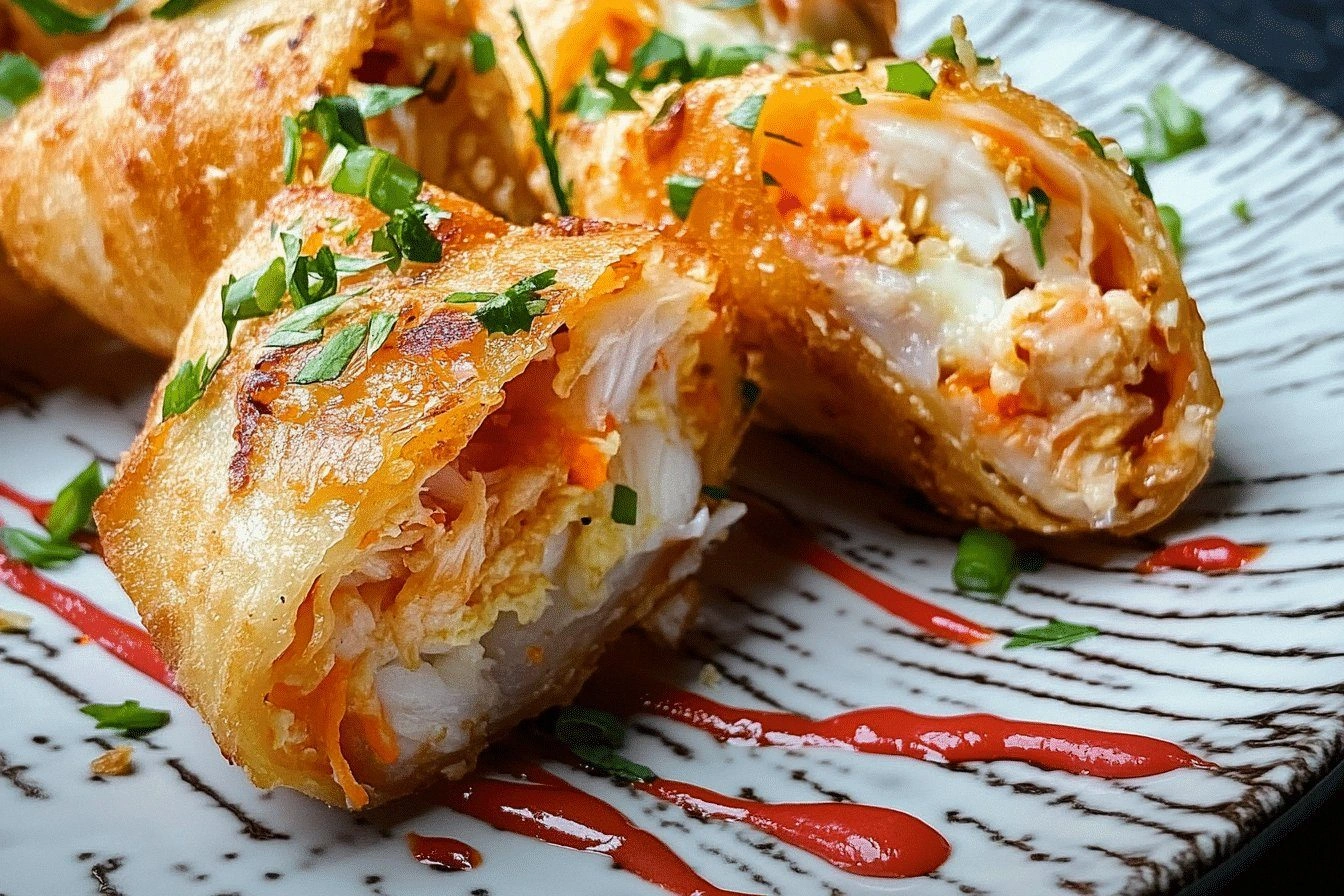
The Method — Step by Step
First, gather all your ingredients and set up a clean workstation. Place a bowl of warm water, a damp towel, and a plate ready for the rolled egg rolls. I like to line the plate with parchment paper to prevent sticking. This prep stage is crucial—if you’re scrambling for tools later, the magic will evaporate. Watch the clock and make sure the water stays warm but not boiling; we’ll need it for a quick seal later.
Heat a large skillet or wok over medium‑high heat and add a splash of oil—just enough to coat the bottom. When the oil shimmers, toss in the minced ginger and garlic. You’ll hear a gentle sizzle, and the kitchen will fill with a fragrant, spicy perfume that tells you you’re on the right track. Cook for about 30 seconds, stirring constantly so nothing burns. Pro tip: If the garlic starts to brown too fast, lower the heat a notch; we want aroma, not bitterness.
Kitchen Hack: Use a garlic press for a finer mince; it releases more oils, intensifying the flavor without extra cooking time.Now, add the shredded cabbage and carrots to the skillet. Stir‑fry for 2‑3 minutes until they’re just wilted but still retain a crisp bite—think al‑dente vegetables. This step is where the texture crew shines; overcooking will turn them soggy, ruining the final crunch. Sprinkle the soy sauce and sesame oil over the veggies, letting the sauce coat every strand. The mixture should glisten, and you’ll notice a sweet‑salty aroma rising.
Time to introduce the star: the fresh lump crab meat. Gently fold it into the vegetable mixture, being careful not to break up the delicate flakes. The crab should warm through, not fry—just 1‑2 minutes is enough. You’ll hear a faint pop as the crab releases its natural juices, marrying with the veggies. If the mixture looks too dry, add a splash more soy sauce; if it’s too wet, let it cook a tad longer to evaporate excess moisture.
Stir in the sliced green onions, letting their fresh, mild bite lift the whole filling. Then, drizzle the egg or cornstarch slurry over the mixture; this acts as a binding agent, ensuring the filling holds together when you roll the egg rolls. The slurry should coat the ingredients like a thin veil, making the mixture slightly tacky. Let it sit for a minute; you’ll see the edges start to pull together—this is the moment of truth.
While the filling rests, prepare your egg roll wrappers. Lay a wrapper on the damp towel, and place about 2‑3 tablespoons of filling near the bottom edge. Fold the sides inward, then roll tightly, sealing the top edge with a dab of the slurry. The roll should be snug but not so tight that the wrapper tears. Watch Out: If the wrapper cracks, press it gently with your fingers; a tiny tear won’t ruin the roll, just seal it with a bit more slurry.
Watch Out: Overfilling will cause the wrapper to burst during frying; keep the filling amount modest for a perfect seal.Heat a deep pot or wok with enough neutral oil (canola or peanut) to reach about 350°F (175°C). Use a thermometer—temperature is everything. When the oil is hot, carefully slide in a few egg rolls at a time; don’t overcrowd the pot. The moment they hit the oil, you’ll hear a sharp sizzle that sounds like fireworks. Fry for 2‑3 minutes, turning once, until the wrappers turn a deep golden‑brown and the edges start to puff.
Kitchen Hack: After the first fry, remove the rolls and let them rest on a cooling rack for 2 minutes, then give them a second quick fry for extra crunch.Using a slotted spoon, transfer the fried rolls onto a paper‑towel‑lined plate to drain excess oil. While still hot, sprinkle a pinch of sea salt and a drizzle of additional soy sauce if you like an extra kick. Let them sit for a minute—this short rest lets the steam escape, keeping the interior juicy. The aroma at this point is intoxicating; you’ll hear your friends’ stomachs rumble from the hallway. Serve immediately with a dipping sauce of your choice, or simply enjoy them plain—their flavor is bold enough to stand alone.
That’s it—you did it. But hold on, I’ve got a few more tricks that’ll take this to another level. A quick drizzle of lime juice right before serving adds a bright, citrusy contrast that cuts through the richness. Or, for a spicy twist, mix a dab of sriracha into the soy sauce dip. The possibilities are endless, and each bite will feel like an adventure. Keep these tips in mind, and you’ll become the go‑to host for any gathering. Happy crunching!
Insider Tricks for Flawless Results
The Temperature Rule Nobody Follows
Most home cooks guess the oil temperature, but a thermometer is your best friend. Aim for 350°F (175°C) for the first fry—this cooks the wrapper without soaking up oil. If the oil is too cool, the roll becomes soggy; too hot, and you’ll burn the outside before the inside heats through. I keep a small candy thermometer on the counter; a quick dip tells me exactly when to start.
Why Your Nose Knows Best
When the filling hits the pan, trust your sense of smell. A fragrant, slightly sweet aroma means the soy and sesame oil have melded perfectly. If you detect a burnt garlic scent, lower the heat immediately. Your nose is a more reliable indicator than a timer for aromatics, and it prevents the dreaded bitter aftertaste.
The 5‑Minute Rest That Changes Everything
After frying, let the rolls rest on a wire rack for at least five minutes. This short pause allows steam to escape, preventing the interior from becoming soggy. I’ve seen people skip this step and end up with limp rolls; a brief rest makes the crisp stay crisp. It also gives the flavors a chance to settle, delivering a more harmonious bite.
Egg vs. Cornstarch Slurry Showdown
Both egg and cornstarch work as binders, but they produce slightly different textures. Egg gives a richer, silkier seal, while cornstarch yields a lighter, almost glossy finish. If you’re aiming for a gluten‑free version, stick with cornstarch. I personally love the egg for its subtle richness that complements the crab.
Seasoning at the End Saves the Day
Adding a final dash of sea salt or a splash of soy sauce right after frying enhances the flavor without making the wrapper soggy. Salt draws out moisture; doing it too early can make the wrapper wet. This finishing touch is the secret behind that “just‑right” taste you’ll notice the moment you bite in.
Creative Twists and Variations
This recipe is a playground. Here are some of my favorite ways to switch things up:
Spicy Sriracha Surprise
Swap half the soy sauce for sriracha and add a teaspoon of honey to the filling. The result is a sweet‑heat combo that makes your taste buds dance. Perfect for those who love a little kick.
Coconut Curry Delight
Incorporate a tablespoon of coconut milk and a pinch of curry powder into the filling. The creamy, aromatic notes pair beautifully with the crab, turning the roll into a mini‑tropical getaway.
Veggie‑Only Version
Omit the crab and double the cabbage and carrots, adding sliced mushrooms for umami. Use a splash of mushroom soy sauce to keep the depth. This makes a satisfying vegetarian appetizer that still boasts that coveted crunch.
Cheese‑Lover’s Dream
Mix in ¼ cup of shredded mozzarella or Monterey Jack into the filling. The cheese melts during frying, creating gooey pockets that complement the crab’s sweetness. A true comfort‑food twist.
Asian Fusion with Kimchi
Stir in a tablespoon of finely chopped kimchi for a tangy, fermented bite. The acidity cuts through the richness, offering a bold, modern twist that’s sure to impress adventurous eaters.
Storing and Bringing It Back to Life
Fridge Storage
Place cooled egg rolls in an airtight container lined with parchment paper. They’ll stay fresh for up to 2 days. When ready to eat, reheat in a hot oven at 375°F (190°C) for 8‑10 minutes, adding a splash of water to the pan before covering to steam them back to crisp perfection.
Freezer Friendly
Arrange unfried, filled rolls on a baking sheet, freeze until solid, then transfer to a zip‑lock bag. They’ll keep for up to 3 months. When you’re ready, fry straight from frozen—just add an extra 30 seconds to the cooking time.
Best Reheating Method
For the ultimate crunch revival, use a skillet with a thin layer of oil over medium heat. Add a tiny splash of water (about a teaspoon) and cover for 2 minutes; the steam softens the interior while the oil crisps the exterior. This trick restores that fresh‑out‑of‑the‑fryer texture without drying out the crab.