Picture a Wednesday night where the fridge is a lonely, humming relic and the only thing left to salvage is a bag of carrots, a couple of celery stalks, and a can of tomatoes that has seen better days. I was halfway through a frantic search for a quick dinner when a friend dared me to whip up something that could turn a bland pantry into a comforting masterpiece. The challenge was simple: create a stew that feels like a warm hug, but with vegetables and barley that sing in harmony. I was already halfway to the kitchen, the air thick with the scent of onions frying in a pan, when I realized that the real magic would happen in the slow cooker, not on the stovetop.
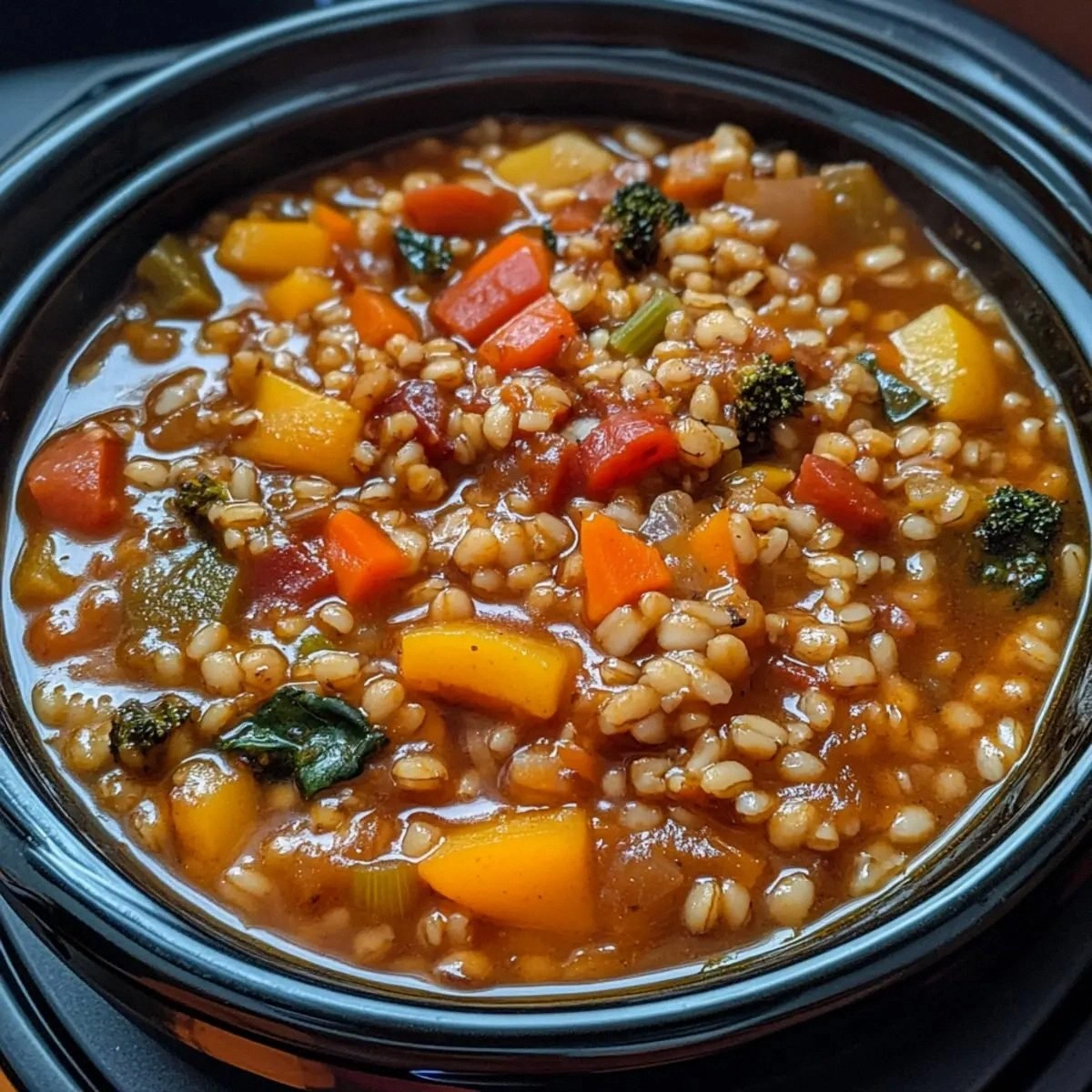
When you first open the slow cooker, a gentle hiss greets you, as if the appliance itself is saying, “Let’s get cozy.” The first layer of diced carrots and celery releases a sweet, earthy aroma that dances with the sharp tang of minced garlic. As the onions soften, they become a translucent, caramelized cloud that fills the pot with a buttery sweetness. The tomatoes add a burst of acidity that cuts through the richness, while the barley begins to swell, absorbing every nuance of the broth. The result is a medley of textures—crisp vegetables, tender grains, and a broth that has thickened into a velvety sauce.
I have to admit, the first time I tasted this dish it was a revelation. The barley was perfectly chewy, not mushy, and the vegetables maintained their bite, providing a satisfying contrast that kept me coming back for more. The seasoning was balanced, with just enough heat from the red pepper flakes to give it a kick without overpowering the gentle flavors. The slow cooker did its job like a well-trained sous‑chef, coaxing every ingredient into a harmonious union. This is hands down the best version of a veggie barley stew you’ll ever make at home, and I’m not exaggerating.
What makes this version so special is that it incorporates a technique that most recipes overlook: the searing of aromatics before they meet the slow cooker. This step locks in flavor, creating a depth that would otherwise be lost in a one‑pot simmer. I dare you to taste this and not go back for seconds; the first spoonful will have you declaring it a culinary triumph. And if you’re still skeptical, picture yourself pulling this out of the oven, the whole kitchen smelling incredible, and everyone asking where you got the recipe. Stay with me here—this is worth it.
Now let’s dive into the details that make this dish shine. I’ll walk you through every single step, from the initial prep to the final garnish, and I’ll throw in a few extra tricks that will elevate the flavor profile even further. By the end, you’ll wonder how you ever made it any other way. Trust me, the kitchen will thank you, and your taste buds will do the happy dance.
Before we get started, take a moment to gather your ingredients and equipment. A sturdy slow cooker, a cutting board, a sharp knife, and a measuring cup are all you need. If you’re feeling extra adventurous, grab a small skillet for the searing step. With everything ready, we’re set to transform a simple pot of vegetables into a comforting, wholesome stew that will warm both body and soul.
What Makes This Version Stand Out
- Flavor Depth: The double‑step of sautéing aromatics before slow cooking locks in caramelized notes that elevate the stew beyond basic simmering.
- Texture Balance: Pearl barley retains a slight chew, contrasting nicely with crisp carrots and tender mushrooms for a satisfying bite.
- Heat Control: Red pepper flakes are measured precisely, providing a gentle warmth without overwhelming the palate.
- All‑in‑One: No extra pots or pans—everything cooks together, saving time and reducing cleanup.
- Versatile Base: The broth can be swapped for a light stock or a richer tomato base depending on mood or dietary needs.
- Make‑Ahead Friendly: This stew keeps well in the fridge for up to 4 days and freezes beautifully for later enjoyment.
- Kid‑Friendly: The mild spices and hearty grains make it a hit with picky eaters, while adults appreciate the depth of flavor.
- Seasonal Flexibility: Though it shines in autumn, the recipe adapts to any season with seasonal vegetables.
Inside the Ingredient List
The Flavor Base
The foundation of any great stew is its flavor base, and in this recipe it’s a symphony of diced onions, minced garlic, and a splash of tomato sauce that creates a savory canvas. Onions release sweetness when caramelized, while garlic adds a sharp, aromatic kick that permeates the broth. The 14.5‑ounce can of tomatoes introduces acidity that brightens the dish and balances the earthiness of the vegetables. If you’re looking for a deeper umami punch, consider adding a tablespoon of tomato paste or a splash of balsamic vinegar; both options intensify the savory profile without altering the core character.
The Texture Crew
Texture is what keeps a stew interesting, and this recipe brings together a mix of tender and crisp elements. Pearl barley is the star grain; its chewy consistency adds body and a subtle nutty flavor that stands out against the soft vegetables. Carrots, sliced into bite‑sized pieces, provide a satisfying crunch that remains after cooking, while celery offers a subtle peppery bite that cuts through the richness. Mushrooms bring an earthy umami depth, and when sautéed before adding them to the cooker, they develop a slightly caramelized surface that enhances their flavor.
The Unexpected Star
Spinach or kale may seem like a standard green, but in this stew they perform a dual role. They soften quickly, releasing their iron content and a mild, slightly bitter flavor that balances the sweetness of the carrots and tomatoes. Adding them in the final 15 minutes of cooking preserves their vibrant color and ensures they remain tender but not mushy. If you prefer a more robust green, substitute Swiss chard or collard greens; just adjust the cooking time accordingly.
The Final Flourish
The finishing touches elevate the stew from good to unforgettable. Fresh thyme, bay leaves, and a pinch of red pepper flakes tie all the flavors together, providing a fragrant, aromatic finish. A splash of fresh lemon juice or a dash of vinegar right before serving brightens the stew and adds a subtle zing that lifts the overall profile. If you’re adventurous, a drizzle of high‑quality olive oil or a pat of butter can add a silky richness that coats the grains.
Everything’s prepped? Good. Let’s get into the real action and bring those flavors together.
The Method — Step by Step
- Step 1: Prep the Vegetables – Begin by washing all produce thoroughly. Dice the carrots into ½‑inch cubes, slice the celery into ¼‑inch thick strips, and chop the onion into small, uniform pieces to ensure even cooking. Mince the garlic cloves finely, and set aside. This uniformity guarantees that each bite delivers consistent flavor and texture.
- Step 2: Sauté Aromatics – Heat a tablespoon of olive oil in a skillet over medium‑high heat. Add the onions and garlic, sautéing until the onions become translucent and emit a sweet aroma, about 3 minutes. The quick sear caramelizes the sugars, creating a richer base that will infuse the slow cooker.
- Step 3: Layer the Slow Cooker – Transfer the sautéed onions and garlic to the slow cooker. Add the diced carrots, celery, and mushrooms, spreading them evenly. Pour in the can of tomatoes, including the juice, and sprinkle in the bay leaves and fresh thyme. This layered approach ensures that each ingredient is evenly cooked and fully flavored.
- Step 4: Add the Barley and Broth – Sprinkle the pearl barley over the vegetables, ensuring it’s submerged. Pour in the vegetable broth, covering everything by at least an inch. The barley will absorb the liquid, becoming tender while adding a hearty texture to the stew.
- Step 5: Season – Add the salt, black pepper, and red pepper flakes. Stir gently to distribute the seasoning evenly. Taste a small spoonful to adjust the seasoning if necessary; the flavors will meld over the cooking time.
- Step 6: Cook – Cover the slow cooker and set it to low for 4 hours, or high for 2 hours. The low setting allows the flavors to develop slowly, while the high setting speeds up the process without compromising taste. Keep the lid on to trap steam and heat.
- Step 7: Add Greens – In the last 15 minutes of cooking, stir in the spinach or kale. The greens will wilt quickly, releasing their color and nutrients while maintaining a tender yet vibrant texture. This timing ensures they don’t overcook and become limp.
- Step 8: Final Touches – Once the cooking time is complete, remove the bay leaves and discard them. Give the stew a quick stir, then taste again; add a splash of lemon juice or a dash of vinegar if you desire a brighter finish. If you want extra richness, swirl in a tablespoon of butter or a drizzle of high‑quality olive oil.
- Step 9: Serve – Ladle the stew into bowls, ensuring each bowl receives a generous amount of barley and vegetables. Garnish with a sprinkle of fresh parsley or a few grated Parmesan shards for an added layer of flavor. Serve hot, with crusty bread on the side to mop up the savory broth.
That’s it — you did it. But hold on, I’ve got a few more tricks that will take this to another level. From adjusting the spice profile to perfecting the barley’s texture, these insider tips will help you master this dish every time.
Insider Tricks for Flawless Results
The Temperature Rule Nobody Follows
Many cooks assume that a high setting is always faster, but in reality, slow‑cooking at low heat extracts deeper flavors from the vegetables and barley. The gentle heat allows the barley to release its starches slowly, creating a naturally thickened broth without added thickeners. I once tried a high‑heat version and the stew ended up watery; the low setting saved the day. Remember: patience pays off in the slow cooker.
Why Your Nose Knows Best
As the stew simmers, you’ll notice the aroma intensify, and that’s a sign that the flavors are melding. A strong, savory scent indicates that the onions and garlic have caramelized properly. If the aroma feels flat, give it a few more minutes; the slow cooker can sometimes take a bit longer to develop that depth.
The 5‑Minute Rest That Changes Everything
After turning off the slow cooker, leave the pot on the “warm” setting for 5 minutes before serving. This rest period allows the barley to settle and the flavors to redistribute evenly. It also gives the stew a moment to thicken slightly, making each spoonful more cohesive. Think of it as a final touch of seasoning that you can’t miss.
Use Fresh Herbs for a Burst of Color
Adding fresh thyme at the end of cooking instead of at the beginning keeps its bright green hue and subtle flavor. Fresh herbs also provide a fresh, bright aroma that freshens up the stew’s overall profile. If you’re using dried herbs, reduce the amount by half to avoid bitterness.
Don’t Forget the Liquid Ratio
The 6 cups of vegetable broth are crucial for achieving the right consistency. If you prefer a thicker stew, use 5 cups and add a splash of water; for a lighter soup, increase to 7 cups. The liquid level should cover the barley by at least an inch to ensure even cooking.
Creative Twists and Variations
This recipe is a playground. Here are some of my favorite ways to switch things up:
Spicy Southwest Version
Swap the bay leaves for cumin and add a diced jalapeño. Use a can of black beans for extra protein. Finish with a squeeze of lime and a sprinkle of cilantro. This version is perfect for those who love a bit of heat and a Latin flair.
Indian‑Inspired Delight
Replace the thyme with garam masala and add a tablespoon of turmeric. Toss in a handful of frozen peas for color. Serve over basmati rice and garnish with fresh mint. The spices give it a warm, aromatic profile reminiscent of classic Indian stews.
Italian Herb Fusion
Use rosemary and oregano instead of thyme. Add a handful of sun‑dried tomatoes for a sweet, tangy burst. Finish with grated Parmesan and a drizzle of extra‑virgin olive oil. It’s a Mediterranean twist that feels both comforting and sophisticated.
Mushroom‑Rich Umami Boost
Increase the mushrooms to 2 cups and include shiitake or porcini for deeper umami. Add a splash of soy sauce or tamari to enhance the savory notes. This variation turns the stew into a hearty, earthy bowl that pairs well with crusty bread.
Low‑Carb Powerhouse
Replace the pearl barley with cauliflower rice or keep the barley but reduce the amount to ½ cup. Increase the protein by adding diced tofu or chickpeas. This version is great for keto or low‑carb diets while still delivering the comforting flavors.
Breakfast‑Style Bowl
Serve the stew over a bed of sautéed spinach and top with a poached egg. Sprinkle with nutritional yeast for a cheesy flavor. This twist turns the dish into a nutrient‑dense breakfast that keeps you full until lunch.
Storing and Bringing It Back to Life
Fridge Storage
Transfer the stew to an airtight container and refrigerate for up to 4 days. The flavors deepen overnight, making it even more delicious the next day. Keep the container in the back of the fridge where the temperature is most stable.
Freezer Friendly
Cool the stew completely before freezing. Portion into freezer‑safe containers, leaving an inch of headspace. The stew can be frozen for up to 3 months. Thaw overnight in the fridge before reheating.
Best Reheating Method
Reheat on the stovetop over low heat, adding a splash of water or broth to loosen the consistency. Stir frequently to prevent sticking. A tiny splash of water before reheating will steam back to perfection, restoring the stew’s silky texture.